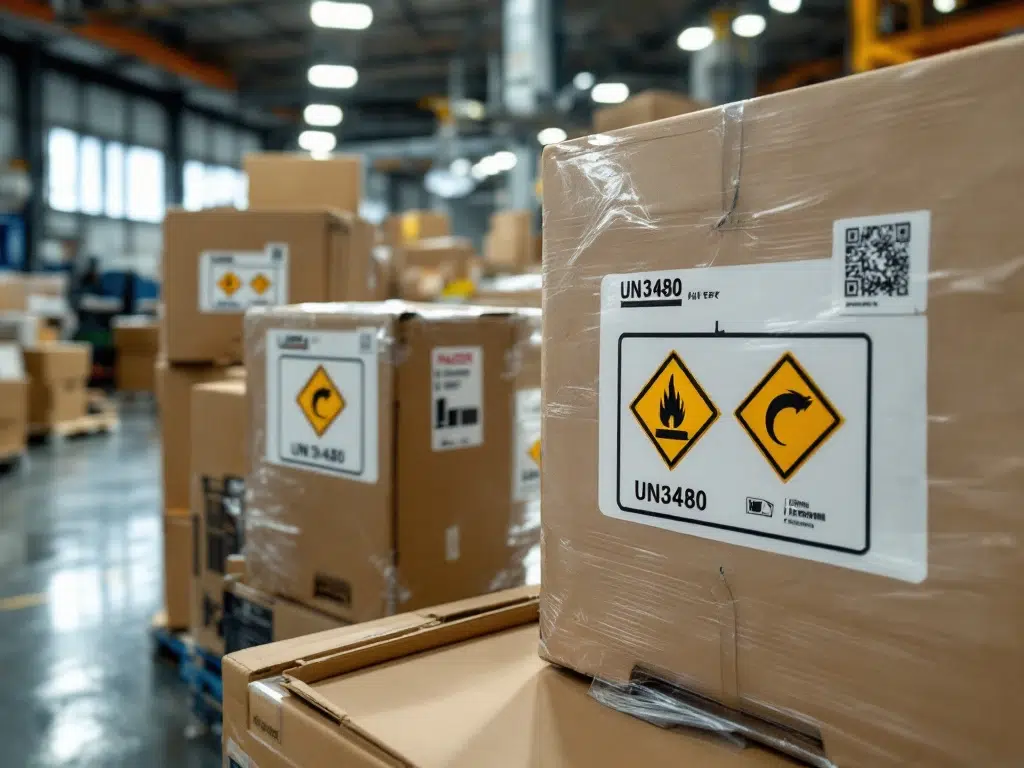
Medical packaging for transport is designed according to strict international standards such as UN classifications and NEN standards, with biocompatibility, temperature control and shock absorption being central. The design process requires specialized knowledge of medical logistics, sterility preservation and sustainable material selection criteria to safely transport sensitive medical equipment and pharmaceutical products.
Why is specialized design crucial for medical transport packaging?
Medical equipment and pharmaceutical products place extreme demands on their transport packaging. Standard industrial packaging is completely inadequate for these sensitive products that are often worth thousands of euros and can be life-saving.
The unique challenges of medical transport include strict temperature requirements, sterility preservation and protection against vibrations. An MRI scanner component, for example, cannot tolerate any shock, while vaccines must remain within specific temperature ranges.
Additionally, regulatory requirements play a crucial role. Medical products fall under international transport guidelines that are much stricter than for ordinary goods. Custom packaging from specialized partners guarantees that your medical products meet all requirements and safely reach their destination.
What standards and regulations apply to medical transport packaging?
Medical transport packaging must comply with a complex set of international standards. The UN standards form the basis for hazardous materials transport, while NEN standards set specific Dutch quality requirements.
FDA guidelines are essential for pharmaceutical products going to the United States. These rules determine which materials may come into contact with medicines and how sterility must be ensured during transport.
European regulations such as the Medical Device Regulation (MDR) impose additional requirements on medical equipment packaging. The new Packaging Directive also influences sustainability requirements for medical packaging, with reuse and recycling becoming increasingly important.
| Standard |
Application Area |
Key Requirements |
| UN classifications |
Hazardous materials |
Leak-tightness, shock resistance |
| NEN standards |
Dutch market |
Quality assurance, test procedures |
| FDA guidelines |
Pharmaceutical products |
Biocompatibility, sterility preservation |
| MDR European regulation |
Medical equipment |
Traceability, safety documentation |
How are materials chosen for medical transport packaging?
Material selection for medical packaging always begins with biocompatibility. All materials that may potentially come into contact with medical products must be tested for safety in human use.
Sterility preservation is a second critical criterion. Materials must not release substances that compromise the sterility of medical instruments. Therefore, specialized plastics and stainless steels are often used that guarantee these properties.
Shock absorption and temperature resistance determine the structural material choices. Foam interiors are specifically formulated to absorb vibrations, while exterior materials must withstand extreme temperatures without losing their protective properties.
Sustainability considerations play a growing role. Circular packaging principles require materials that are reusable and can be recycled at the end of their life cycle, without compromising medical safety requirements.
What are the key design principles for safe medical transport?
Vibration isolation is central to the design of medical transport packaging. Sensitive equipment such as laboratory apparatus or surgical instruments can be permanently damaged by transport vibrations. Specialized shock-absorbing systems prevent this.
Temperature control often requires active cooling systems or insulation materials that minimize temperature fluctuations. Vaccines and biological samples have strict temperature windows where a few degrees difference can render the product unusable.
Moisture protection and stackability are practical design principles that increase logistics efficiency. Medical packaging must withstand humid conditions and be safely stackable without damaging the contents.
User-friendliness for medical personnel is essential. Packaging must be quick and intuitive to open, even under stress or in sterile environments where gloves are worn.
How is protection against environmental factors ensured?
Temperature fluctuations are countered by multi-layered insulation systems that repel both heat and cold. Phase-change materials can keep temperatures stable for extended periods without an external energy source.
Moisture protection occurs through hermetic seals and moisture-absorbing materials. Silica gel packets and special sealing rubbers prevent moisture from reaching and damaging medical products.
Light protection is crucial for light-sensitive medicines. UV-resistant materials and opaque packaging layers protect against harmful radiation that can degrade medicines.
Vibration and shock damping is achieved through custom foam interiors that fit perfectly around the product. These custom solutions distribute forces evenly and prevent movement within the packaging during transport.
What role does sustainability play in the design of medical packaging?
Circular packaging principles are becoming increasingly important in the medical sector. Reusable transport cases and flight cases for medical equipment can be used dozens of times, drastically reducing both costs and environmental impact.
Recyclable materials receive priority in new designs, provided they meet medical safety requirements. New bio-based plastics and recycled materials offer increasingly better performance for medical applications.
Packaging as a Service models change ownership of packaging. Specialized partners manage the complete life cycle of medical packaging, from cleaning and repair to return logistics and reuse.
Sustainable design choices include modular systems that can be adapted for different medical products. This maximizes usage duration and prevents the need to design a completely new package for each new product.
Key considerations when designing medical transport packaging
Successful design of medical transport packaging requires a holistic approach where safety, regulation and sustainability are balanced. Custom solutions are essential because each medical product has unique protection requirements.
Professional guidance from specialized packaging partners with expertise in medical logistics is indispensable. They know the complex regulations, have experience with various medical products and can implement circular solutions.
The investment in high-quality medical transport packaging pays for itself through reduced damage, regulatory compliance and lower total ownership costs. Modern industrial packaging solutions combine traditional craftsmanship with innovative materials and digital tracking systems.
Future-oriented medical packaging integrates data tracking and predictive maintenance to guarantee availability and optimize maintenance costs. These smart packaging concepts form the basis for sustainable medical logistics.
How can I determine what packaging specifications my medical product needs?
Start with a risk analysis of your product: determine sensitivity to temperature, vibrations, moisture and light. Then consult the relevant regulations (UN classifications, FDA guidelines) for your specific product category. A specialized packaging partner can perform a transport test to establish the exact protection requirements.
What are the costs of custom medical transport packaging compared to standard solutions?
While custom packaging is 20-40% more expensive to purchase, it often saves more through reduced product damage (up to 90% reduction), lower insurance premiums and reusability. For valuable medical equipment of €10,000+, the investment is usually recovered within 3-5 transports.
How long does the development process take for a new medical transport package?
Developing a fully custom medical package takes an average of 6-12 weeks, depending on complexity and testing requirements. Simple modifications to existing designs can be realized within 2-3 weeks. Planning is crucial because certification and compliance testing cost extra time.
What common mistakes should I avoid with medical transport packaging?
Avoid underestimating temperature fluctuations during transport, ignoring stack pressure in air cargo containers, and using non-certified materials. Also skipping drop tests and vibration simulations often leads to damage. Always ensure redundant protection for critical medical products.
How can I improve the sustainability of my medical packaging without compromising safety?
Choose modular designs that can be used for multiple products and invest in high-quality reusable materials. Implement a return logistics system for empty packaging and work with partners who offer Packaging as a Service. New bio-based materials offer increasingly better performance for medical applications.
What should I do if my medical product arrives damaged despite professional packaging?
Document the damage immediately with photos and preserve all packaging materials for investigation. Contact your packaging supplier for a failure analysis – this helps improve the design. Check whether transport conditions remained within specified parameters and consider additional shock indicators for future shipments.
How do I stay informed about changing regulations for medical transport packaging?
Subscribe to updates from relevant authorities such as FDA, EMA and IATA for air cargo. Professional packaging partners often offer regulatory compliance services and can inform you about changes. Consider membership in industry organizations such as ISTA (International Safe Transit Association) for access to the latest test standards.