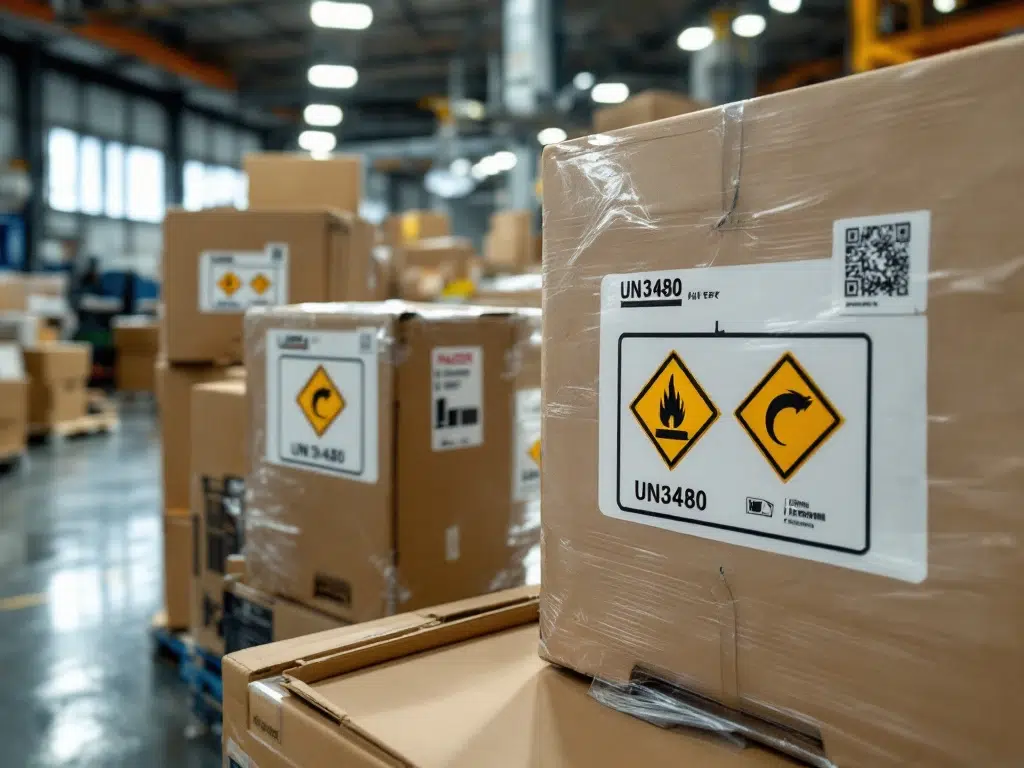
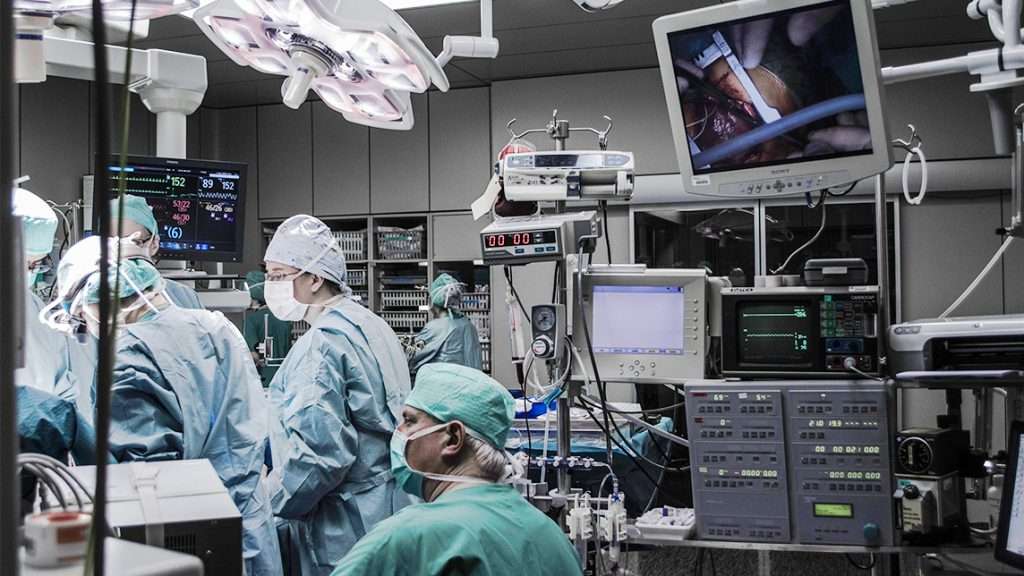
Medical packaging meets hygiene standards through strict compliance with international standards such as ISO 11607, production in cleanroom facilities, use of biocompatible materials, and extensive validation processes. These standards ensure sterility and patient safety by preventing contamination during transport and storage of medical equipment.
Why are hygiene standards crucial for medical packaging?
Hygiene standards form the foundation for safe medical care and protect patients against life-threatening infections. Medical packaging serves as the final barrier between sterile medical equipment and the outside world.
Contamination of medical instruments can have serious consequences, from postoperative infections to sepsis. Packaging must therefore guarantee absolute sterility throughout the entire lifecycle of the product. This means they must be resistant to microorganisms, moisture, and other contaminants.
The role of sterile packaging extends beyond protection during transport alone. They must also maintain sterility during storage in hospitals and healthcare facilities, often for months. Therefore, specific materials and production processes are essential for medical sector compliance.
Which international standards apply to medical packaging?
The most important international standard for medical packaging is ISO 11607, which sets requirements for packaging materials and systems for medical devices that are terminally sterilized.
In addition to ISO 11607, there are several other crucial standards:
- ISO 14644 for cleanroom classification and monitoring
- EN 868 for sterile packaging materials
- FDA guidelines for the American market
- European MDR (Medical Device Regulation) for CE marking
- GMP (Good Manufacturing Practice) for production processes
These standards work together to form a complete quality system. They cover everything from material requirements to validation procedures and documentation requirements for medical equipment packaging.
How is sterility ensured during the packaging process?
Sterility is ensured through production in controlled cleanroom packaging environments with strict air filtration, temperature, and humidity control. These facilities comply with ISO 14644 classifications.
The production process includes multiple critical steps:
- Material inspection and validation prior to production
- Personnel training and hygiene protocols
- Continuous monitoring of environmental parameters
- Sterile assembly of packaging components
- Validation of seal properties and barrier function
Quality controls take place during every production phase. This includes microbiological tests, integrity checks, and sterility tests to ensure that the final products meet GMP packaging standards.
What are the key material requirements for hygienic medical packaging?
Materials for medical packaging must be biocompatible and not release toxic substances that could be harmful to patients or medical products.
| Property |
Requirement |
Purpose |
| Barrier properties |
Protection against microorganisms |
Maintain sterility |
| Chemical resistance |
Resistant to sterilizing agents |
Material integrity |
| Sterilization compatibility |
Suitable for gamma, ETO, or steam |
Effective sterilization |
| Traceability |
Complete batch information |
Quality assurance |
Commonly used materials are medical grade polyethylene, Tyvek, and specialized laminates. These materials undergo extensive biocompatibility testing according to ISO 10993 standards to ensure safety.
How do validation and documentation ensure compliance with hygiene standards?
Validation of medical packaging requires extensive medical packaging validation protocols that demonstrate that the complete system consistently meets all established requirements.
The validation process includes several phases:
- Design qualification (DQ) for specification verification
- Installation qualification (IQ) for equipment and facilities
- Operational qualification (OQ) for process validation
- Performance qualification (PQ) for routine production
Documentation forms the backbone of compliance. This includes quality manuals, work procedures, batch records, and audit trails. Continuous monitoring ensures that processes remain within validated parameters and that deviations are immediately detected and corrected.
Modern custom industrial packaging for the medical sector integrates these validation processes from the design stage. This ensures efficient production and reliable compliance with all relevant hygiene standards.
Compliance with hygiene standards for medical packaging requires a holistic approach in which materials, processes, and documentation work seamlessly together. Through this systematic approach, medical packaging can fulfill its crucial role in ensuring patient safety and the quality of medical care.
How often must medical packaging processes be revalidated?
Revalidation is required for significant changes in materials, processes, or equipment, but also periodically according to an established schedule (usually annually). Additionally, revalidation must take place after deviations that could affect sterility or after changes in relevant regulations such as ISO standards.
What are the most common mistakes when implementing hygiene standards for medical packaging?
Many companies underestimate the complexity of documentation requirements and validation processes. Other common mistakes include insufficient personnel training, inadequate monitoring of cleanroom parameters, and not fully understanding biocompatibility requirements for new materials.
How can a company begin implementing ISO 11607 compliance?
Start with a gap analysis to compare current processes with ISO 11607 requirements. Then develop an implementation plan with priorities for critical aspects such as material validation and cleanroom facilities. Invest in personnel training and consider collaboration with specialized consultants for complex validation processes.
What costs are associated with compliance with hygiene standards for medical packaging?
Costs vary greatly depending on company size and complexity, but include investments in cleanroom facilities, validation processes, continuous monitoring systems, and personnel training. While initial costs can be high, they prevent expensive recalls and legal problems in the long term.
How do requirements differ for various sterilization methods (gamma, ETO, steam)?
Each sterilization method places specific requirements on packaging materials. Gamma sterilization requires materials that are resistant to radiation, ETO requires gas permeability, and steam sterilization needs high temperature and moisture resistance. The packaging design must be compatible with the chosen sterilization method.
What happens during an audit by regulatory authorities and how do you prepare for it?
Audits check compliance with all relevant standards through documentation review, facility inspection, and process observation. Prepare by keeping all documentation up-to-date, training personnel in audit procedures, and regularly conducting internal audits to proactively identify and resolve potential problems.