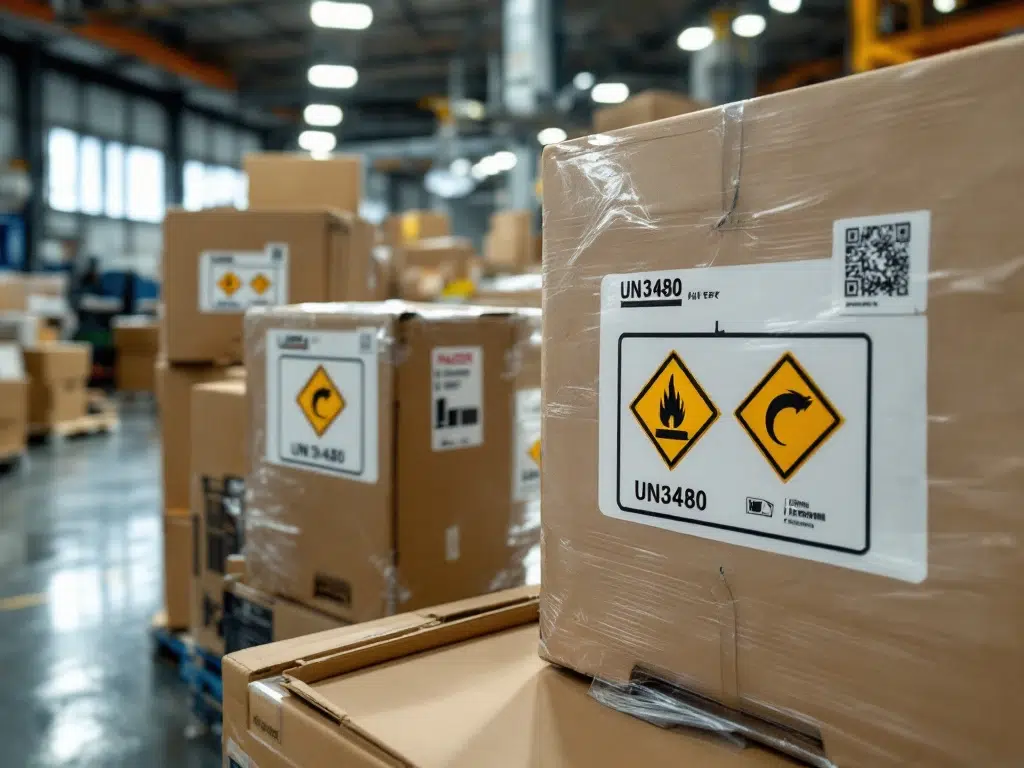
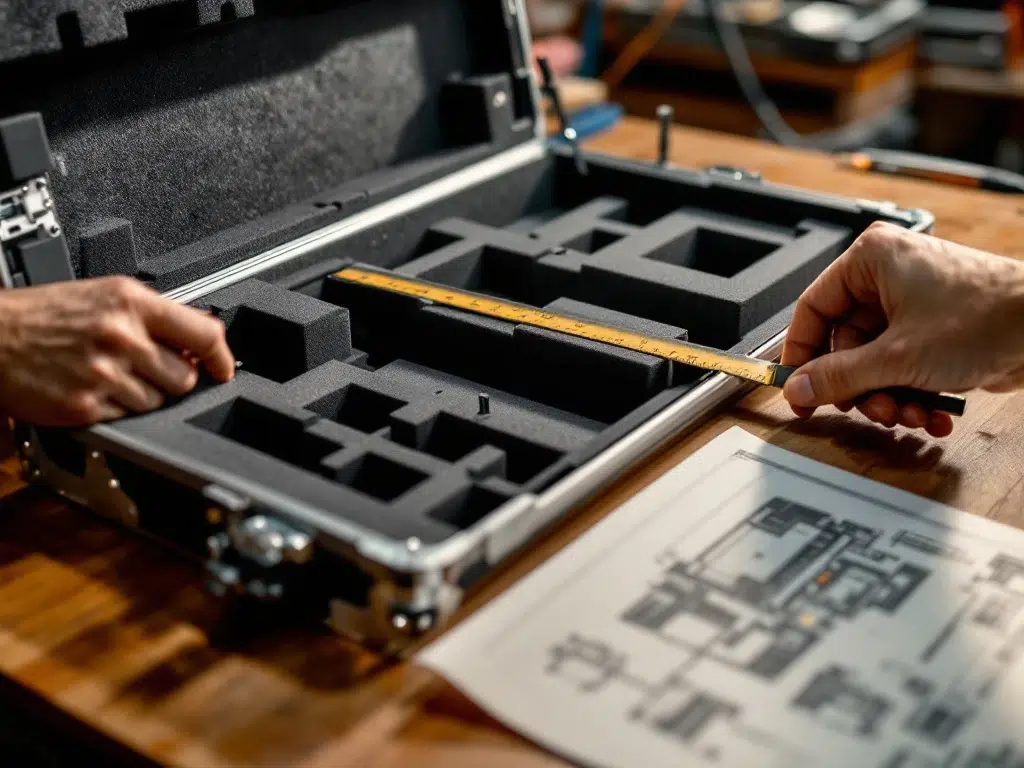
You determine the right interior of a custom case by first accurately measuring your products, then choosing the best material for protection, and finally selecting the design method that fits your budget and requirements. A well-designed case interior prevents damage, optimizes space usage, and ensures ease of use during transport and storage.
Why is the right interior crucial for your custom case?
A well-designed case interior is essential for optimal product protection. The interior functions as a protective barrier that absorbs shocks, vibrations, and impacts during transport. Without the right protective packaging, valuable equipment and sensitive instruments can be damaged.
The custom case interior also plays a crucial role in space optimization. By embedding products with a precise fit, you prevent unnecessary movement and maximize available space. This is especially important for expensive transports or when you want to accommodate multiple items in one case.
A professional appearance is equally important. Industrial cases with a thoughtful layout radiate craftsmanship and make a positive impression on clients. For sectors such as medical equipment, defense, and high-tech applications, this aspect cannot be underestimated.
Which materials can you use for the interior of a custom case?
PE foam (polyethylene foam) is the most commonly used material for foam inlay design. This material offers excellent shock absorption, is chemically inert, and suitable for most applications. PE foam is available in various hardnesses and colors, making it versatile.
PU foam (polyurethane foam) has a finer cell structure than PE foam and offers superior cushioning. It is ideal for very sensitive equipment but more expensive to purchase. PU foam also has better memory properties, allowing it to recover better after deformation.
EVA foam combines flexibility with durability. This material is resistant to oils and chemicals, making it suitable for industrial environments. EVA foam is often used in the automotive and electronics sectors.
| Material |
Advantages |
Disadvantages |
Application Area |
| PE Foam |
Good shock absorption, chemically inert, affordable |
Less fine cell structure |
General applications |
| PU Foam |
Superior cushioning, fine cell structure |
Higher costs |
Sensitive equipment |
| EVA Foam |
Chemically resistant, flexible |
Limited hardness choices |
Industrial environments |
How do you measure your products for the perfect fit?
Start by accurately measuring all dimensions of your products. Measure not only length, width, and height, but also protruding parts such as handles, antennas, or connections. Document all measurements systematically and take photos from different angles.
Account for tolerances and movement space. Add 2-3 millimeters to each side for a comfortable fit. For very sensitive equipment, a tight fit may be desirable, but for daily use, some clearance is more practical.
Create templates from cardboard or thin foam to test the fit before having the final foam inlay made. This saves time and costs for any adjustments. Also pay attention to accessibility – ensure that products can be easily removed from the case without disturbing other items.
What are the different design methods for foam inlays?
Waterjet cutting is the most accurate method for custom case interior manufacturing. This technique uses a high-pressure water jet to cut foam with millimeter precision. The result is smooth cutting edges and complex shapes without thermal influence on the material.
CNC milling offers flexibility for different material types and thicknesses. This method is suitable for both soft and harder foam types. CNC milling can also create 3D shapes and is ideal for prototyping and small series.
Manual cutting with electric knives is used for simple shapes and small adjustments. Although less accurate than automated methods, it is cost-effective for prototypes and one-off projects.
The choice of method depends on complexity, quantity, and budget. For industrial cases with high precision requirements, waterjet cutting is usually the best option, while for simple applications, manual cutting may suffice.
How do you ensure optimal accessibility and ease of use?
Design removable sections in your foam inlay for products that are used regularly. By creating loose foam blocks, users can easily access underlying items without having to empty the entire case. This significantly increases user-friendliness.
Add handles or cutouts to larger foam sections. This makes removing and replacing foam components much easier, especially for heavy or bulky items. Also consider ergonomic aspects – avoid deep cutouts that users have difficulty reaching.
Consider color coding for different sections or product groups. This helps quickly identify the right place for each item and prevents mistakes. Use different foam colors or colored markings, for example.
Ensure sufficient space around fragile components such as screens, lenses, or measuring instruments. These items need extra protection and must be able to be stored without contact with other objects.
Key considerations when determining your case interior
Material choice forms the basis of a successful packaging interior. Match the foam type to your specific application: PE foam for general use, PU foam for sensitive equipment, or EVA foam for chemically loaded environments. Consider the lifespan and usage pattern of your case.
Accurate dimensioning is crucial for optimal protection. Too tight means difficult access and possible damage, too loose results in insufficient protection. Always test with templates before having the final version made.
Choose the design method that fits your budget and requirements. For professional industrial cases, investing in waterjet cutting is usually worthwhile due to the precision and durability. For occasional use, a simpler method may suffice.
Think ahead to daily use. A beautiful case interior that is impractical in use will ultimately lead to frustration. Involve end users in the design process and test ergonomics before ordering the final version.
How long does it take to have a custom foam inlay made?
Delivery time varies depending on complexity and chosen production method. For waterjet cut inlays, you can expect 1-2 weeks, while manually cut foam is often ready within a few days. Always plan extra time for any adjustments after the first test.
What does a professional foam inlay cost on average?
Costs depend on material, dimensions, and production method. Simple PE foam inlays start around €50-100, while complex waterjet cut PU foam inlays can cost €200-500. Always request multiple quotes and compare quality alongside price.
Can I make adjustments to my foam inlay myself?
Small adjustments are possible with a sharp knife or electric cutter, but be careful not to damage the foam. For major changes, it’s better to return to the supplier. Always keep spare material for small repairs.
What mistakes should I avoid when designing my case interior?
Common mistakes are: too little tolerance making items difficult to access, not accounting for cables and accessories, and forgetting ergonomic aspects like handles. Always test first with cardboard templates before ordering.