Defense electronics form the backbone of modern military operations. From advanced communication systems to drone control – this equipment must continue to function under the most extreme conditions. Tactical cases are specially designed to protect this sensitive electronics against physical shocks, moisture, dust, temperature fluctuations and electromagnetic interference. They provide a robust solution for transport and storage, ensuring military equipment always remains deployable, even in the most challenging environments. This article answers the most important questions about how tactical cases protect crucial defense electronics.
What are the main threats to defense electronics?
Defense electronics are exposed to a range of extreme conditions that can seriously affect functionality and reliability. The primary threats come from both the natural environment and operational situations.
Physical shocks and vibrations constitute one of the biggest risks. Military equipment is often moved over rough terrain, transported in vehicles or even dropped from aircraft. Without adequate protection, circuit boards can break, connectors can come loose, and sensitive components can be damaged.
Moisture and water are equally dangerous for electronic equipment. In military operations, it’s often impossible to avoid rain, fog, high humidity, or even submersion. Water can cause short circuits, accelerate oxidation, and permanently damage components.
Dust, sand, and other particles are particularly problematic in desert areas or during landing operations. These small particles can accumulate in ventilation openings, block cooling systems, and even cause moving parts to seize up. In the high-tech defense sector, even microscopically small particles can affect the functioning of advanced equipment.
Extreme temperatures pose another critical threat. Defense equipment must function in temperatures ranging from arctic cold to desert heat. Thermal shocks (rapid temperature changes) can cause materials to expand and contract, leading to mechanical stress and defects.
Electromagnetic interference (EMI) can disrupt communication systems, interfere with navigation equipment, and even cause unintended activation of systems. In a combat situation, this can have life-threatening consequences.
What protective features do tactical cases offer for defense equipment?
Tactical cases are designed with specific features that protect defense electronics from the many threats in the field. These robust solutions combine various protective elements.
Shock absorption is one of the key functions. High-quality tactical cases use multiple layers of shock-absorbing materials that disperse and absorb impacts before they reach the equipment. This includes reinforced corners, shock-absorbing buffers, and specially designed suspension systems that isolate the equipment from external forces.
Water resistance is guaranteed by IP ratings (Ingress Protection). A case with IP67 certification, for example, is completely dustproof and can withstand submersion in water up to 1 meter deep for 30 minutes. High-quality seals, waterproof valves, and special materials ensure moisture stays out, even under the most challenging conditions.
Pressure regulation is essential during air transport or use at different altitudes. Automatic pressure valves prevent excessive pressure differences between the inside and outside of the case. This prevents deformation of the housing while simultaneously protecting against water and dust ingress.
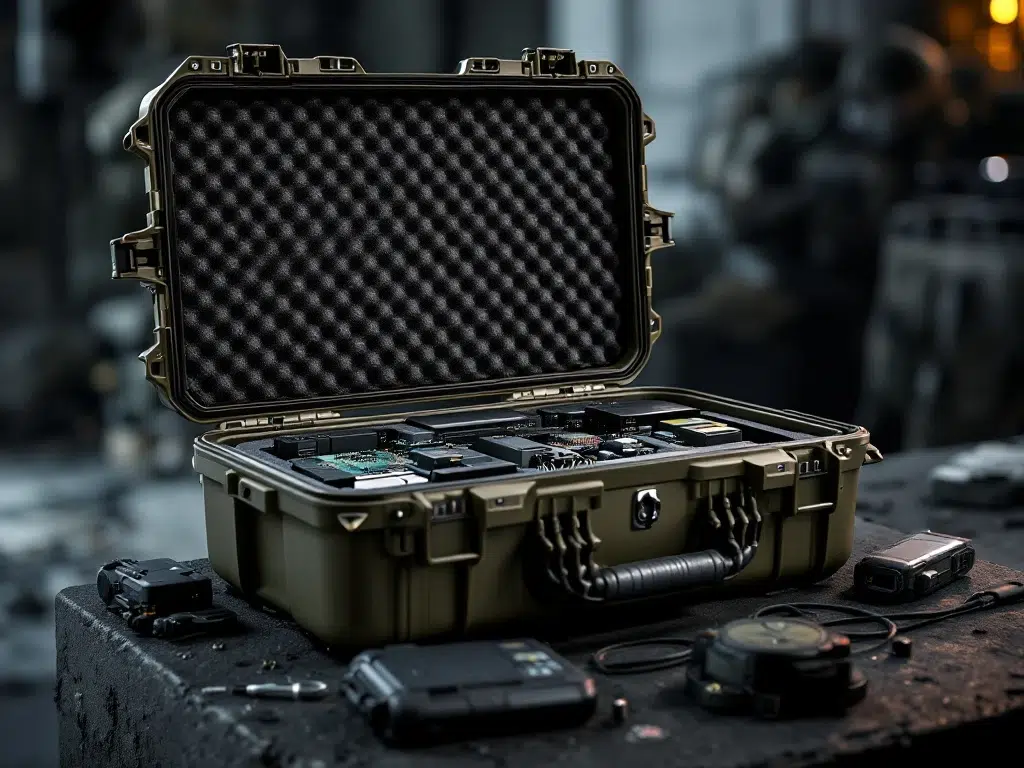
Customized foam interiors provide precise fit for specific equipment. These tailor-made interiors hold components firmly in place, absorb shocks, and prevent movement during transport. For defense applications, special types of foam are often used that are antistatic and resistant to chemicals.
Electromagnetic shielding (EMI protection) is crucial for sensitive communication equipment. Tactical cases can be equipped with special metal shields and conductive materials that create a Faraday cage. This protects the equipment from external electromagnetic signals and prevents own signals from leaking out, which is important for operational security.
Temperature regulation is achieved through insulating materials and sometimes active cooling systems. These keep the internal temperature within safe limits, even when the case is exposed to extreme external temperatures. This is particularly important for defense electronics that have specific temperature requirements.
How are tactical cases tested for defense applications?
Tactical cases for defense applications undergo rigorous testing procedures to ensure they meet stringent military standards. These tests simulate the extreme conditions that the equipment may encounter in the field.
MIL-STD-810 is the most common military standard for environmental testing. It includes a series of procedures that evaluate the durability and reliability of equipment in various conditions. For tactical cases, the drop tests are particularly relevant. In these tests, the case with equipment inside is repeatedly dropped from different heights and in different orientations to test whether the contents remain protected.
Water resistance tests include submersion, spray tests, and tests for high humidity. Cases are fully submerged or exposed to powerful water jets to verify that the seals remain effective under pressure. Prolonged exposure to high humidity tests resistance to condensation and mold formation.
Temperature resistance is evaluated by exposing cases to extreme heat and cold, often in cycles to simulate thermal shocks. These tests may include temperatures from -40°C to +70°C or even more extreme, depending on the intended use environment.
Electromagnetic compatibility tests (EMC) measure how well a case can block electromagnetic interference. This includes tests for shielding against external signals and preventing signal leakage from within. For certain defense applications, this feature is crucial for operational security.
Dust and sand tests assess how well cases keep small particles out. Cases are placed in chambers with circulating dust or sand particles to test whether the seals remain effective under these conditions.
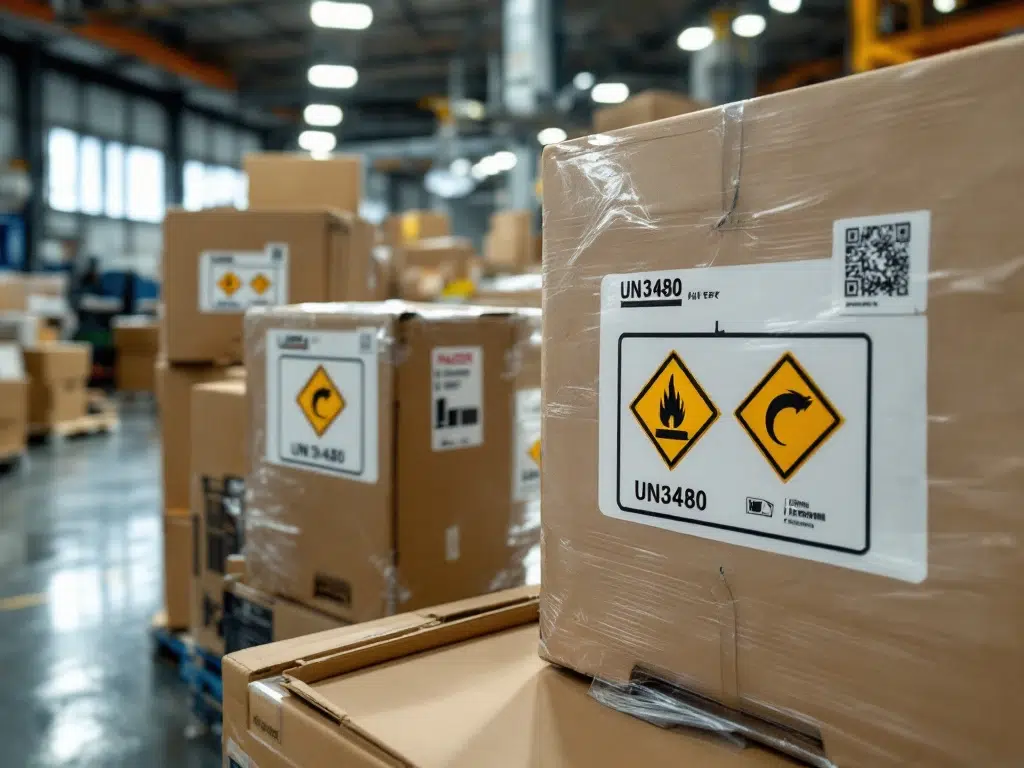
In addition to these tests, tactical cases are also evaluated for durability, ease of use, and compatibility with specific military equipment. Certifications such as UN, NEN, and MIL-STAN standards ensure that the cases meet internationally recognized safety standards.
What makes custom foam interiors essential for defense electronics?
Custom foam interiors are a critical component of tactical cases for defense electronics. They provide more than just a neat presentation – they are essential for the protection and functionality of the equipment.
Perfect fit is the primary function of custom foam. By precisely encasing each component, movement during transport is eliminated. This prevents parts from rubbing against each other or coming loose. For defense electronics with precise calibrations and sensitive components, this stability is essential to maintain accuracy.
Shock absorption is enhanced by multi-layered foam constructions. Different densities of foam are combined to provide optimal protection. The outer layers are often firmer to absorb the initial impact, while inner layers are softer to dampen remaining vibrations. This multi-layered design offers superior protection compared to standard foam solutions.
Antistatic properties are crucial for electronic components. Special ESD foam (Electrostatic Discharge) prevents static electricity that can damage sensitive circuits. This is particularly important for defense electronics with sensitive semiconductor components and microprocessors.
Modular configurations make it possible to use one case for multiple purposes. Interchangeable foam modules can be designed to support different configurations of equipment. This is valuable for defense personnel who may need to transport different sets of equipment depending on the mission.
Identification and inventory are simplified by custom foam. By cutting out the contours of each item in the foam, it is immediately clear if something is missing. This can be crucial in situations where rapid deployment is necessary and there is no time to check if all equipment is present.
Protection against chemicals and environmental factors is another important feature. High-quality foams for defense applications are resistant to oil, fuel, cleaning agents, and other chemicals used in military environments. They are also designed to resist mold growth and degradation from UV radiation.
Conclusion
The protection of sensitive defense electronics is not a luxury but a necessity. Tactical cases provide a complete solution that protects equipment from physical shocks, water, dust, temperature fluctuations, and electromagnetic interference. Rigorous testing procedures and certifications ensure that these protective solutions meet the highest military standards.
Custom foam interiors perfect this protection by providing a perfect fit, superior shock absorption, and antistatic properties. For defense organizations, investing in high-quality tactical cases not only means protecting valuable equipment but also ensuring operational readiness and mission success.
At Faes, we understand the unique challenges of the defense sector. As specialists in industrial custom packaging, we combine traditional craftsmanship with innovative, sustainable processes to create solutions that meet the strictest requirements of defense organizations. Our expertise in regulated sectors, with thorough knowledge of UN, NEN, and MIL-STAN standards, ensures that your mission-critical equipment is always optimally protected.