Contact

Dead-on-Arrival (DOA) parts are a silent cost in many industrial supply chains. Parts that arrive at customers damaged, defective or unusable not only cause frustration in the field, but also weigh heavily on service costs and customer satisfaction. Research shows that the total cost of a DOA can be more than double the value of the part itself.

Yet practice shows that relatively simple measures make a big difference. In a case study within the high-tech industry, it became clear that reducing the number of packaging variants led to almost half the number of logistically caused DOAs. The message is clear: fewer variants means more control, lower costs and a more reliable service process.

So the question is not whether packaging choices impact the performance of your service chain, but how quickly you make the shift to a packaging-first approach.

What are DOAs and why they matter

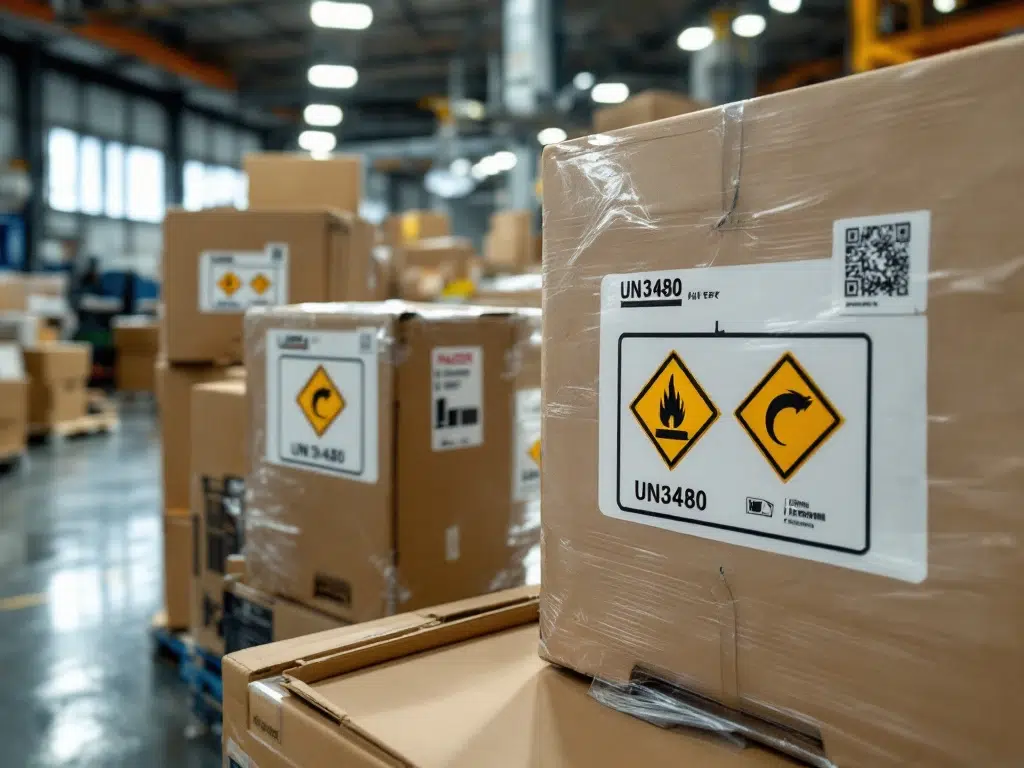
Dead-on-Arrival (DOA) parts are service parts that prove immediately unusable upon arrival. These may include electronics that do not function, a shipping crate that is visibly damaged or a part that simply cannot be assembled due to improper packaging or handling. For the end customer, this means additional downtime and delay. For the supplier, it means immediately mounting costs.

Those costs are greater than often thought. A DOA leads not only to the part being written off or repaired, but also to additional mechanics’ hours, expensive emergency shipments and inventory corrections. Research shows that the total cost of a DOA averages 135 to 219 percent of the value of the part. In practice, this can amount to 3.8 to 4.2 percent of total spare parts sales. That percentage can make the difference between profit and loss in service operations.

Moreover, the problem touches multiple dimensions simultaneously: financial, operational and strategic. Financially because every DOA eats up margin immediately. Operational because mechanics and planners spend more time on repair actions. Strategic because a high number of DOAs undermines the reliability of the service chain and thus damages customer confidence.

In short, DOAs are not a detail or unavoidable incident, but a structural threat to efficiency and customer satisfaction. And that is precisely why it is crucial to look at the causes where packaging plays a remarkably large role.

Medewerker van Faes werkt aan werkvoorbereiding en bekijkt 3D-tekening van maatwerkverpakking op een dubbel scherm op kantoor.

The role of packaging

Packaging plays a much larger role in the occurrence of DOAs than is often assumed. Logistical causes such as transportation, storage and especially packaging design have been found in multiple studies to be responsible for a significant portion of incidents. Packaging that is too complex, provides insufficient protection or has too many variants increases the likelihood of errors during handling and transportation. As a result, parts arrive at the customer damaged or unusable.

A case study from the high-tech industry shows this sharply. There, the variation in packaging was greatly reduced and standard packaging instructions were introduced. The result was clearly measurable. The proportion of DOAs caused by logistical factors fell from 0.46 percent to 0.22 percent in five years. That’s almost a halving.

The lesson from this is that packaging is more than a protective layer around a product. It is a critical factor in the reliability of the entire service chain. By standardizing packaging and reducing variation, it reduces the chance of errors, improves predictability and significantly reduces failure costs.

Fewer variants, more control

At first glance, reducing packaging variants seems like an operational intervention, but the impact goes much further. Fewer variants means that processes become clearer, instructions are simpler and handling errors are significantly reduced. Engineers and logistics staff have fewer choices to make, reducing the chance of incorrect packaging or incorrect application.

In addition, standardization provides clear benefits for cost control. As packaging better matches the fragility and specifications of parts, the number of damages during transport decreases. It also makes it easier to reuse and manage packaging, directly contributing to both efficiency and sustainability.

The study shows that reducing packaging variants not only halved logistical DOAs, but also ensured a structurally more reliable service process. Fewer variants means more control over the chain, lower failure costs and predictable quality towards the customer.

The essence is clear: packaging standardization is not an administrative choice, but a strategic step by which companies make their service chain stronger, more sustainable and more customer-oriented.

Broader impact: cost and sustainability

The benefits of fewer packaging variations extend beyond simply preventing DOAs. After all, each DOA entails a chain of additional costs. Think expensive rush shipments to replace the defective part, lost mechanics’ hours not spent productively, and inventory corrections that put unnecessary pressure on warehouse management. Reducing DOAs structurally reduces all of these cost items simultaneously.

In addition, sustainability plays an increasingly important role. Fewer variants make it easier to reuse and consistently monitor packaging. That means less waste, lower carbon emissions and better use of materials. Companies already committed to reusable packaging and circular processes not only benefit from lower failure costs, but are also better prepared for future regulations and sustainability goals.

So the effect is twofold. Financially because every saving directly contributes to a higher margin, and strategically because a circular approach strengthens the license to operate in increasingly stringent markets. Less variants is thus not only an operational choice, but an investment in a future-proof and sustainable supply chain.

What companies can learn from this

Experience from the study shows that one targeted measure can make a big difference. Companies looking to strengthen their service chain can achieve immediate results with relatively simple steps. Here are the key lessons:

  1. Standardize packaging
    Reduce the number of packaging variants and work with uniform instructions. This makes processes clear and reduces the chance of errors during handling and transport.
  2. Make handling foolproof
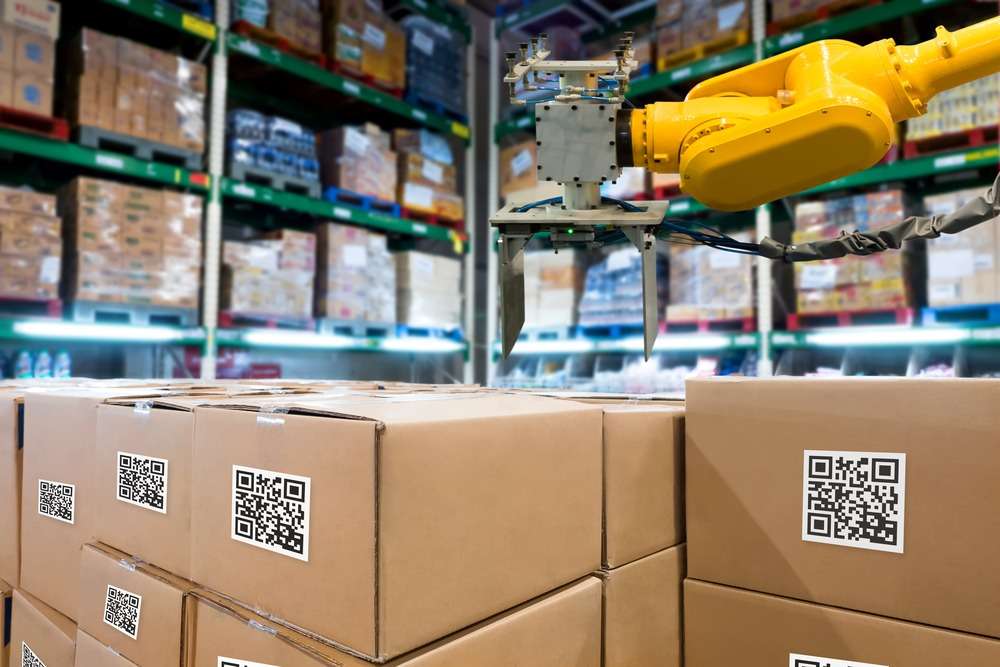
    Make sure packaging is logically structured, with clear labels and instructions. Combine this with short training sessions for mechanics and logistics personnel so that everyone follows the same procedure.
  3. Monitor DOAs structurally
    Record how many DOAs occur, what causes them and what costs are involved. Linking this data back to packaging and logistics design enables continuous improvement.
  4. Integrate sustainability into design
    Choose reusable materials and circular solutions. This not only lowers the cost of new packaging, but also helps meet increasingly stringent customer and regulatory requirements.

The role of Faes

As a Fourth Party Packaging (4PP) partner, Faes takes control of this process. We ensure that packaging is not only standardized and efficiently deployed, but also that management and monitoring are structurally secured. Faes coordinates the entire life cycle of packaging. This makes it easy to reduce DOAs, reduce costs and simultaneously achieve sustainability goals.

The pattern is clear: Those who standardize and actively manage packaging win on multiple fronts. Fewer variants means lower costs, fewer chances of failure and a more reliable service process that also adds sustainable value.

Packaging first pays off

The numbers leave little room for doubt. DOAs pose a structural threat to service chains and weigh heavily on costs and customer satisfaction. Yet it turns out that one targeted measure, reducing the number of packaging variants, can already lead to almost a halving of the number of logistical DOAs. Fewer variants means more control, lower failure costs and a more sustainable process.

For companies looking to future-proof their service chain, the message is clear. Packaging first is not a detail in the operation, but a strategic choice that creates immediate value. Standardizing and actively managing packaging creates a robust chain that performs reliably and is ready for tomorrow’s challenges.

Faes supports companies in this process as an independent 4PP partner. We take full control of packaging management. This is how we make packaging a strategic tool with which our customers improve their service, reduce costs and achieve sustainability goals.

The time to act is now. Companies that adopt a packaging-first approach today are building a more efficient and resilient supply chain and taking a clear competitive advantage. Want to learn more about this topic? Check out our comprehensive knowledge center.

Print
Email Download PDF