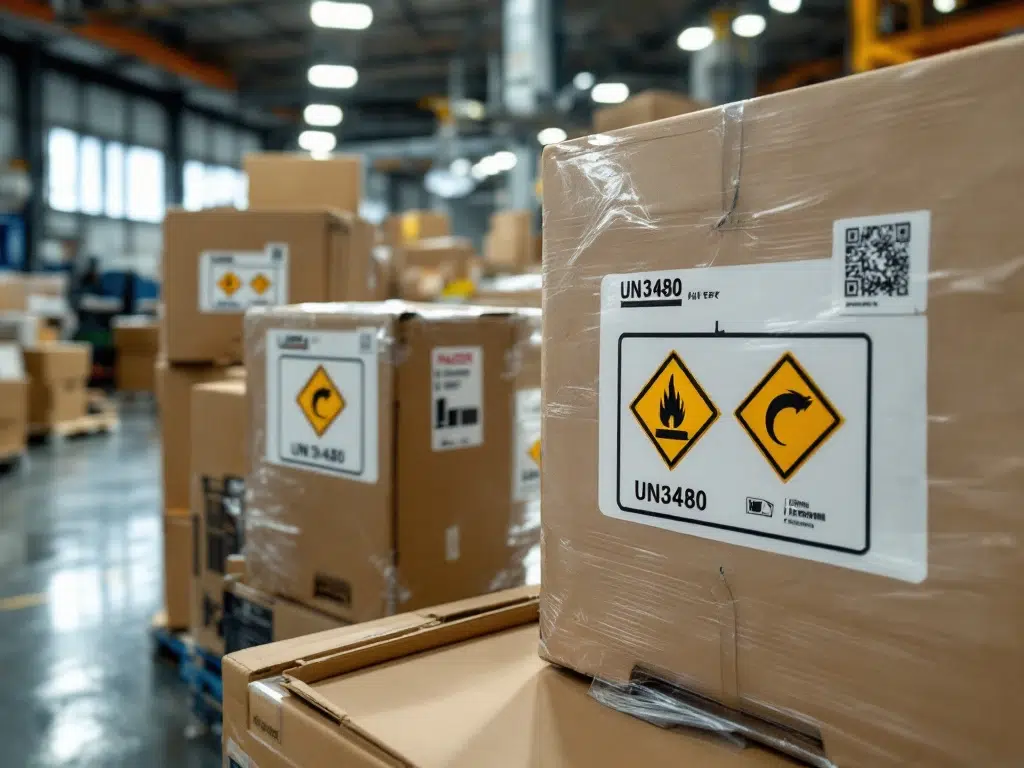
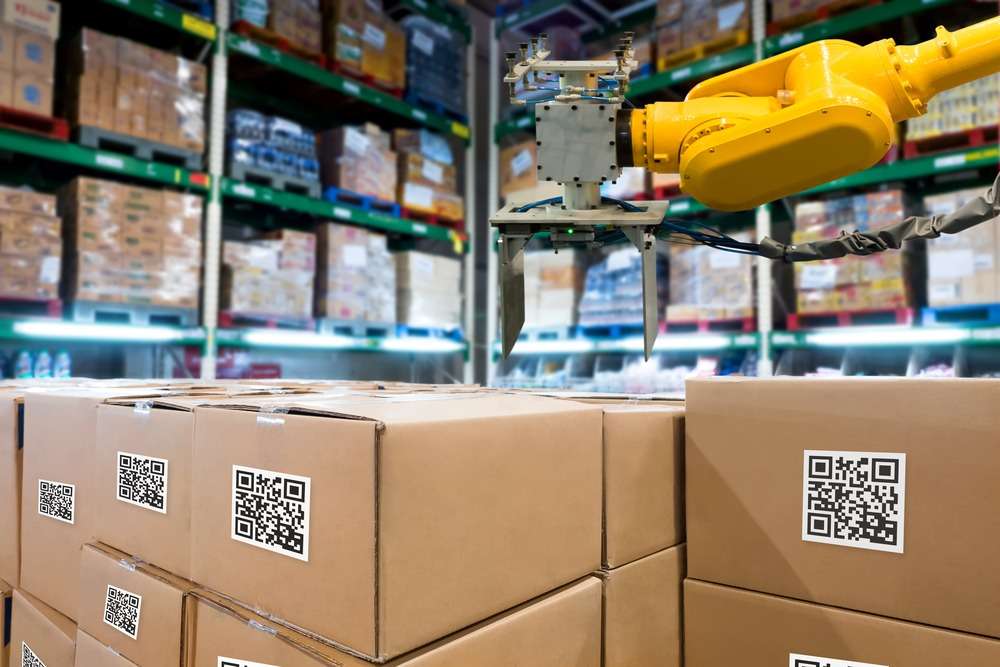
A shockproof packaging is a specialized protective packaging designed to protect products against shocks, vibrations, and impacts during transport and storage. These shock-resistant packagings are essential for safely transporting fragile, valuable, or technical equipment and prevent transport damage by using special materials and construction techniques that absorb and distribute shocks.
Why is shockproof packaging crucial in modern industry?
Shock-resistant packaging forms the backbone of modern supply chains, especially in high-tech sectors where transport damage can have catastrophic consequences. Industrial equipment, medical instruments, and defense equipment are often worth millions of dollars and when damaged can cause not only financial losses but also operational downtime.
In modern logistics, products undergo multiple handling and transport moments. From production location to distribution center, then to end customer – each moment brings risks. Transport packaging that is not shock-resistant can lead to microscopic damage that only becomes visible later.
Today’s supply chain requires packaging solutions that can withstand the challenges of automated sorting centers, different transport modes, and international shipping. Without adequate shock protection, failure costs rise exponentially and customer satisfaction decreases.
What exactly is shockproof packaging?
Shockproof packaging is a technically engineered protection system that absorbs and neutralizes shocks, vibrations, and sudden movements before they can damage your product. The principle is based on shock absorption through special materials and constructions.
The technical core consists of multiple protection layers: a sturdy outer structure that catches external forces, a shock-absorbing intermediate layer that distributes energy, and a soft inner layer that provides direct contact with the product. This layered structure ensures that external shocks are gradually decelerated.
Modern shock-resistant packagings use advanced materials such as expanded polyethylene, polyurethane foam, or even specialized air cushion systems. The construction is often adapted to the specific characteristics of the product to be protected, such as weight, shape, and sensitivity to certain types of impact.
What advantages does shock-resistant packaging offer?
The main advantages of industrial packaging with shock protection are significant cost savings through reduced transport damage. Studies show that investing in quality protective packaging can reduce damage costs by more than 80%.
Increased customer satisfaction forms a second crucial advantage. Customers who receive their equipment in perfect condition build trust in your brand and are more likely to return for future purchases. This translates directly into higher customer retention and positive word-of-mouth advertising.
Sustainability benefits arise because reusable shock-resistant packagings can withstand multiple transport cycles. Instead of using disposable packagings, you can invest in robust solutions that last for years and ultimately deliver lower total costs.
Compliance with international transport standards becomes easier with certified shockproof packagings. Many industries have specific requirements for transport protection, and the right packaging ensures that you automatically comply with these regulations.
For which products is shockproof packaging indispensable?
Medical equipment tops the list of products requiring safe packaging. MRI scanners, X-ray equipment, and laboratory instruments contain sensitive components that when damaged are not only expensive to repair but can also endanger human lives.
High-tech industrial equipment such as precision instruments, measuring equipment, and automated production systems often have tolerances in micrometers. Even small shocks can disrupt calibration and lead to costly repairs or replacements.
Defense and security equipment must function in critical situations. Communication equipment, navigation systems, and other military hardware require transport protection that meets strict MIL-STAN specifications for shock and vibration resistance.
Fragile consumer products such as artworks, antiques, or high-end electronics also benefit enormously from shock-resistant packagings, especially during international shipping where multiple handling moments occur.
How do you choose the right shockproof packaging for your product?
The selection process begins with a thorough analysis of your product: weight, dimensions, shape, and specific vulnerabilities. A heavy industrial instrument requires a different approach than a delicate electronic device. Custom packaging solutions often offer the best protection.
Transport method plays a crucial role in the choice. Air freight brings different shock patterns than road transport or sea freight containers. International shipments undergo more handling and sorting moments, making extra protection necessary.
Frequency of use determines whether you choose reusable or disposable solutions. For regular shipments, durable, reusable packagings are more cost-effective in the long term. For occasional shipments, disposable solutions may be more practical.
| Product Type |
Recommended Protection |
Material Focus |
| Medical equipment |
Multi-layer foam |
Antistatic foam |
| High-tech instruments |
Custom foam inserts |
Polyurethane foam |
| Defense equipment |
Military flight cases |
Hardened plastic |
| Fragile art |
Soft wrapping |
Bubble wrap + foam |
What are the most important materials for shock absorption?
Polyurethane foam forms the gold standard for shock absorption in professional packagings. This material can be adjusted in density and hardness to provide exactly the right protection for your specific product. It absorbs energy through compression and returns to its original shape.
Expanded polyethylene (EPE) offers excellent shock absorption combined with moisture resistance. This material is ideal for products that are sensitive to moisture and simultaneously need protection against shocks.
Air cushion systems use enclosed air as shock absorber. These systems are lightweight and can be adapted to different product shapes. They are especially effective for less fragile products where weight saving is important.
Cardboard honeycomb constructions combine lightweight properties with surprisingly good shock absorption. This sustainable option is fully recyclable and suitable for products where environmental impact is an important consideration.
Key considerations when investing in shockproof packagings
The return on investment of shock-resistant packagings is usually visible within the first year through drastically reduced damage costs. Professional packaging solutions show that companies investing in quality protective packaging can significantly lower their total logistics costs.
Sustainability aspects are becoming increasingly important in modern business. Reusable shock-resistant packagings contribute to circular economy objectives and help achieve CO2 reduction goals. The new Packaging Directive also makes sustainable packaging choices legally mandatory.
Compliance with industry standards such as UN, NEN, and MIL-STAN is not optional in many sectors. Investing in certified packaging solutions prevents costly delays and ensures smooth international trade.
The strategic value lies in protecting your reputation and customer relationships. A single damaged shipment can destroy trust relationships built over years, while consistent delivery of undamaged products strengthens your position as a reliable partner.
How do I test if my current packaging is sufficiently shock-resistant?
Perform a drop test by dropping the packaged products from different heights (30-60 cm for normal shipping, up to 120 cm for air freight standards). Check the product after each test for visible and microscopic damage. For professional certainty, you can engage a certified test laboratory that performs ISTA or ASTM test protocols.
What are the costs of shockproof packaging compared to standard packagings?
Shock-resistant packagings cost 2-5 times more than standard packagings, but the investment usually pays for itself within 6-12 months through reduced damage costs. Reusable solutions have higher initial costs but lower costs per use with regular shipments. Always calculate the Total Cost of Ownership including potential damage costs.
Can I reuse shockproof packagings and how often?
Yes, quality shock-resistant packagings are designed for reuse. Polyurethane foam can be reused 10-20 times, while hard flight cases can handle hundreds of cycles. Inspect after each use cycle for tears, permanent deformation, or reduced resilience. Replace components when shock absorption properties diminish.
What certifications should I look for when choosing shock-resistant packagings?
Look for ISTA (International Safe Transit Association) certification for general transport protection, UN certification for hazardous materials, and MIL-STAN specifications for defense and aerospace applications. For medical equipment, ISO 11607 and FDA approvals are relevant. These certifications guarantee that the packaging meets international transport standards.