Dead on Arrival (DOA) is a frustration for many companies: parts or products that turn out to be defective, incomplete or unusable immediately upon receipt. These are moments that cause delays, extra costs and dissatisfied customers. But behind every DOA is also a valuable signal. Those who carefully map the causes discover patterns that are present deep within the supply chain and offer opportunities to structurally improve processes.
Our research in collaboration with the University of Groningen shows that DOAs are not only a cost, but also a direct mirror of packaging quality, logistics processes and inventory management. The question is not whether you will have to deal with DOAs, but how to leverage these complaints to make the supply chain more robust, efficient and sustainable.
What are DOAs and why are they so costly?
Dead on Arrival refers to products or parts that do not function or are not usable upon receipt. This can be due to shipping damage, manufacturing errors, misconfigurations or incorrect documentation. What these situations have in common is that they directly affect the continuity of the customer’s operation.
The financial impact of a DOA goes far beyond the value of the defective part. In addition to direct replacement or repair costs, hidden factors come into play. For example, products often have to be urgently reshipped, field service engineers are deployed longer, and inventory costs rise because additional buffers appear necessary. For industrial companies, this can amount to several percent of annual spare parts sales, which has a significant effect on profitability.
On top of that, DOAs not only incur costs but also strain customer trust. A repeated experience of defective deliveries can lead to reputational damage, complaints and the loss of long-term partnerships. Thus, in a market where reliability and continuity are essential, the real cost of DOA exceeds the direct financial loss.
DOA as a mirror for the supply chain
Every DOA exposes a weak spot in the chain. Systematically recording where and why a product arrives defective reveals where processes fail. Research shows that the causes fall roughly into four categories: logistics, product quality, service quality and unknown.
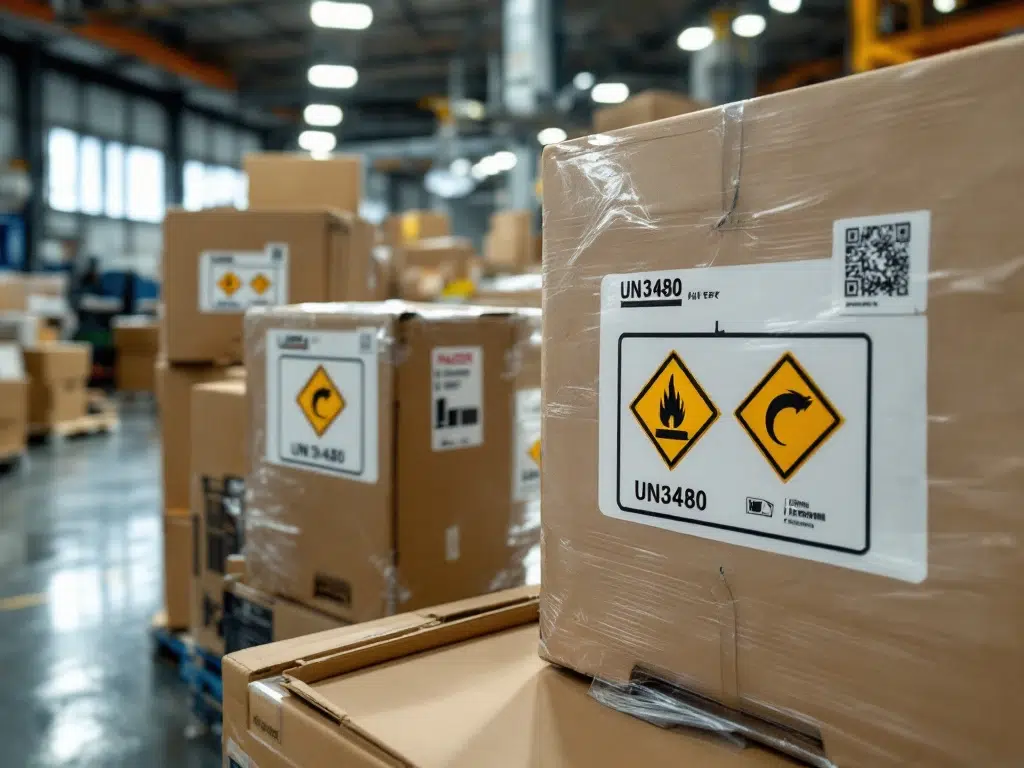
Logistics causes often involve packaging, transportation and handling. A part that is packed inadequately protected or mishandled during transport is more likely to arrive damaged. Product quality indicates structural manufacturing or assembly errors that are not revealed until the customer arrives. Service quality includes errors in installation, misconfigurations or the return of parts that were not in fact defective. These so-called No Fault Found cases are a hidden cost and account for a significant portion of DOAs.
When companies analyze these patterns, the complaint turns into an opportunity. DOAs show where standardization is lacking, where instructions are not followed and where communication in the chain is lacking. Instead of reacting to individual complaints, an organization can address the root causes and make structural improvements. In this way, DOA management becomes a tool for continuous supply chain optimization.
From complaint to opportunity: improvement options
Reducing DOAs starts with understanding the cause, but delivers real value only when these insights are turned into improvement actions. Companies that analyze DOAs structurally discover that relatively small adjustments can already have big effects.
Prevention through packaging and handling
A large proportion of logistics DOAs arise from inadequate protection during transport. By standardizing packaging, providing clear instructions and adding sensors where necessary, damage can be significantly reduced. Training employees in handling and the use of appropriate tools reinforces this effect.
Smarter transportation policy
In practice, a DOA often leads to emergency transportation. This is expensive and increases pressure on the supply chain. Establishing clear criteria in advance for when urgency is necessary and when a regular shipment is sufficient avoids unnecessary cost increases.
Repair and triage policy
Not every DOA needs to be fully repaired. In many cases, it is more efficient to write off defective parts immediately and record only the root cause. This saves costs and time without losing the learning function. It does require a clear triage process that weighs the value and repair probability of parts.
Targeted inventory optimization
Putting on extra inventory seems like a logical reflex when DOA problems arise, but it is often not the most cost-effective solution. Only for critical or fragile parts can temporarily increased inventory levels be justified. By employing data analysis and simulations, companies determine in a targeted way where buffers are needed and where not.
Approaching DOAs as a source of information rather than an incidental problem creates a cyclical improvement process. Complaints are translated into insights, insights lead to targeted actions, and these actions not only reduce the number of DOAs but strengthen the entire supply chain.
The strategic value of DOA management
Reducing DOAs provides immediate operational benefits, but the real value lies at the strategic level. Companies that actively manage DOA prevention distinguish themselves not only through lower costs, but more importantly through reliability and predictability in their supply chains.
In sectors such as high-tech, medical and defense, reliability is a decisive factor in choosing suppliers and partners. Every DOA that is prevented contributes to strengthening customer confidence. Thus DOA management becomes a commercial asset: fewer complaints means more continuity, stronger customer relationships and a greater chance of long-term contracts.
In addition, a structural approach to DOAs aligns seamlessly with the sustainability agenda of many organizations. Less damage and waste means less transportation, less material loss and a lower carbon footprint. This not only provides ESG benefits, but also increases the likelihood of competing successfully in tenders where sustainability weighs increasingly heavily.
For companies that integrate DOA management into their supply chain strategy, a complaint is turned into competitive advantage. It is an opportunity to professionalize processes, strengthen compliance and create value throughout the supply chain.
We as Faes support this process as a Fourth Party Packaging partner. We take on the complete packaging management and the direction of improvement programs around DOAs. From analyzing causes to implementing standardization, triage and reporting, Faes ensures that customers get a grip on their DOA percentage and translate this into measurable improvements. By operating independently and collaborating with the right partners, we ensure that solutions always align with our customers’ strategic objectives.
From complaint to competitive advantage
Dead on Arrival is often seen as an annoying incident that mainly causes costs and delays. In reality, it is a valuable gauge of supply chain quality and efficiency. Systematically analyzing DOAs and translating the outcomes into concrete improvements creates a cycle of continuous optimization. Less damage, fewer emergency shipments and less waste lead to lower costs, higher reliability and a stronger competitive profile.
For companies in sectors where quality and continuity are decisive, DOA management thus changes from a necessary burden to a strategic tool. It not only makes the supply chain more robust and sustainable, but also strengthens the relationship with customers and partners.
Faes supports organizations in this as an independent Fourth Party Packaging partner. We take charge and ensure that DOAs are no longer just a complaint, but an opportunity to professionalize processes and create value throughout the chain.
The time to act is now. Those who take the first steps in DOA management today will build a supply chain tomorrow that is not disrupted by complaints, but strengthened by opportunities.