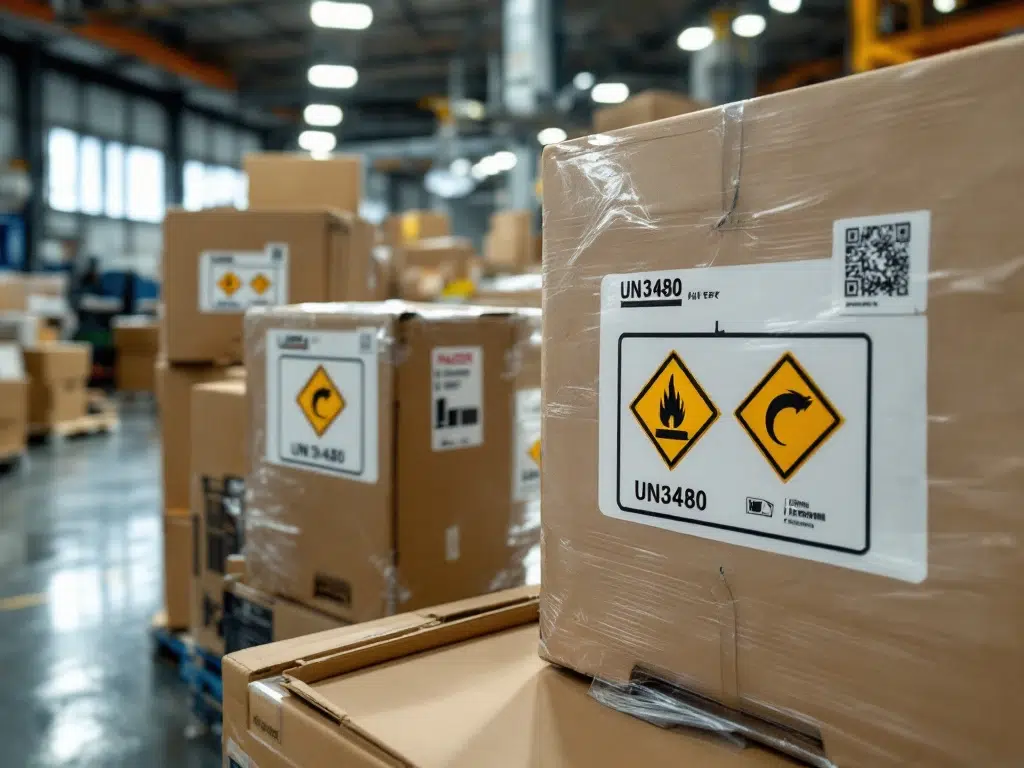
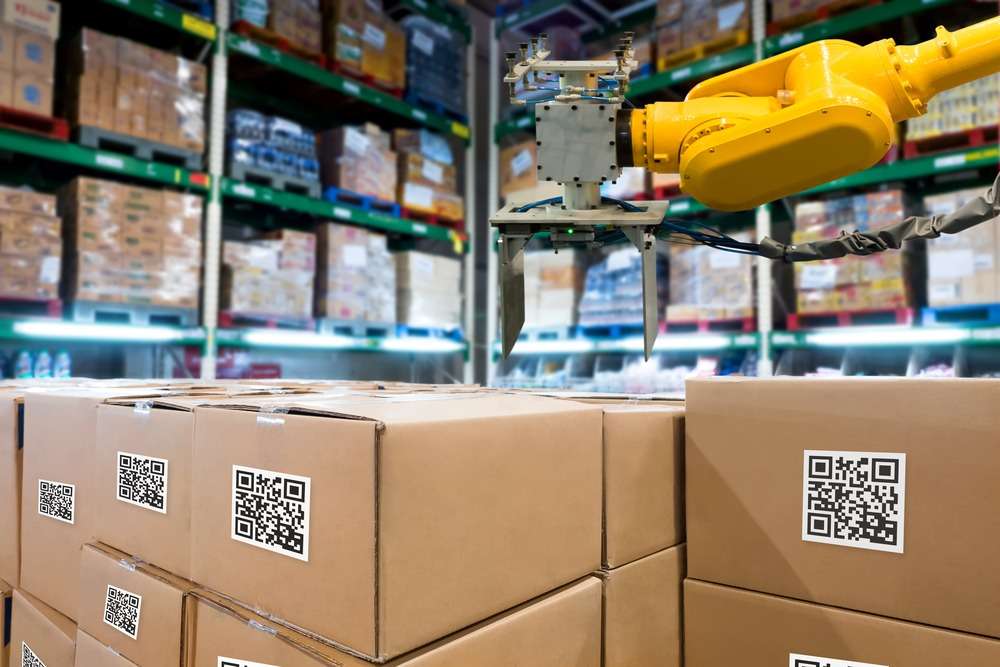
It's a reflex in many supply chains: when products Dead on Arrival (DOA) arrive at the customer too often, inventory is increased. In this way, backorders and service problems seem to be solved quickly. However, our research in collaboration with the University of Groningen shows that in most cases this choice is costly and ineffective. Extra inventory does not address the cause of the problem, but only temporarily masks it. In fact, research shows that this strategy only becomes profitable at exceptionally high DOA ratios, well above what most companies experience. Those who want to structurally reduce costs and risks focus not on filling warehouse shelves but on eliminating the source of the damage: unreliable or inadequately validated packaging.
What is DOA and why is it so costly?
Dead on Arrival (DOA) refers to products that are defective, damaged or unusable upon arrival at the customer’s premises. This can include functional defects, as well as cosmetic damage or deliveries that do not meet specifications. Research shows that the real impact is often greater than just the cost of replacing the part. DOAs lead to additional transportation costs, emergency shipments, higher inventory levels, product loss and additional staffing.
In addition, indirect damages, such as customer production downtime or loss of reputation, are more difficult to quantify but just as important. In many cases, the total cost per DOA runs to a multiple of the value of the product itself. This makes DOA not just a quality issue, but a strategic business risk that directly affects margins and customer satisfaction.
Why does stock raising often not work?
Research shows that increasing inventory is not an effective solution to reducing DOA-related problems in most situations. While additional inventory may temporarily reduce back orders, it does not address the root cause of the problem. As a result, defective or damaged products continue to circulate in the process and structural costs keep recurring.
In addition, increasing inventory involves significant capital costs and increases the risk of product obsolescence or depreciation. According to the study’s calculations, inventory increase becomes cost-effective only at exceptionally high DOA ratios of about 25 percent or more, combined with low demand frequency and long delivery times. In practice, DOA rates are much lower for most companies, making it more financially prudent to invest in damage prevention, rather than maintaining higher inventory levels.
The pitfalls of extra stock
Research shows that increasing inventory against DOAs often has more disadvantages than benefits in the long run. Higher inventories place additional demands on working capital and storage capacity. This can cause investments in innovation or process improvement to become less of a priority. In addition, the complexity of inventory management increases. More SKUs increase the likelihood of order picking errors, inventory changes or holding products that eventually become obsolete and must be written off.
A less visible but equally important risk is that extra inventory creates a sense of false security. It appears as if the problem has been solved while the actual cause, often a lack of robust, tested and validated packaging solutions, remains. As a result, DOA-related costs recur again and again. Investing in structural cause reduction, in most cases, pays off more than simply restocking warehouse shelving.
Effective alternatives to stock raising
The study shows that the most sustainable way to reduce DOAs lies in addressing the root causes. Companies that invest in preventive measures not only achieve lower DOA rates, but also structurally reduce their operating costs.
Improve packaging designs and standardize variants
Less variation in packaging reduces handling and transportation errors and makes it easier to perform quality checks. Research shows that reducing the number of packaging variants and improving instructions can cut the DOA ratio in half.
Perform packaging validation under realistic conditions
Conducting drop, vibration and climate tests prevents products from being damaged during transport. Validation under proper conditions reveals whether a package can withstand the conditions in the chain and where improvements are needed.
Use traceable packaging
Packaging equipped with sensors or indicators provide insight into where and when damage occurs. This data enables targeted improvements to be made and contributes to transparency in the chain.
Optimize logistics processes and training
Process optimization in the logistics chain reduces the risk of errors. Staff training, clear processing instructions and checks at critical points in the process help prevent DOAs structurally.
Avoid costs by addressing the cause
Research shows that increasing inventory against DOAs is not a cost-effective solution in most cases. Only in cases of exceptionally high DOA ratios and limited supply options can it be financially justified to hold additional inventory. In virtually all other situations, it is more effective to address the cause of DOAs. This can be done by improving and standardizing packaging, validating solutions under realistic conditions, applying traceable packaging and optimizing logistics processes.
Reducing DOAs yields more than just lower direct costs. It strengthens delivery reliability, increases customer satisfaction and frees up resources for investment in innovation and growth.
Faes helps you structurally reduce DOAs
Want to know how your organization can reduce DOAs without unnecessary inventory investments? Faes analyzes with you the causes in your supply chain and develops validated packaging solutions that demonstrably contribute to lower damage rates and higher delivery reliability. With our experience in high-tech, defense and industrial supply chains, we combine technical validation with practical applicability. Contact us for a no-obligation consultation and discover how we can future-proof your supply chain.