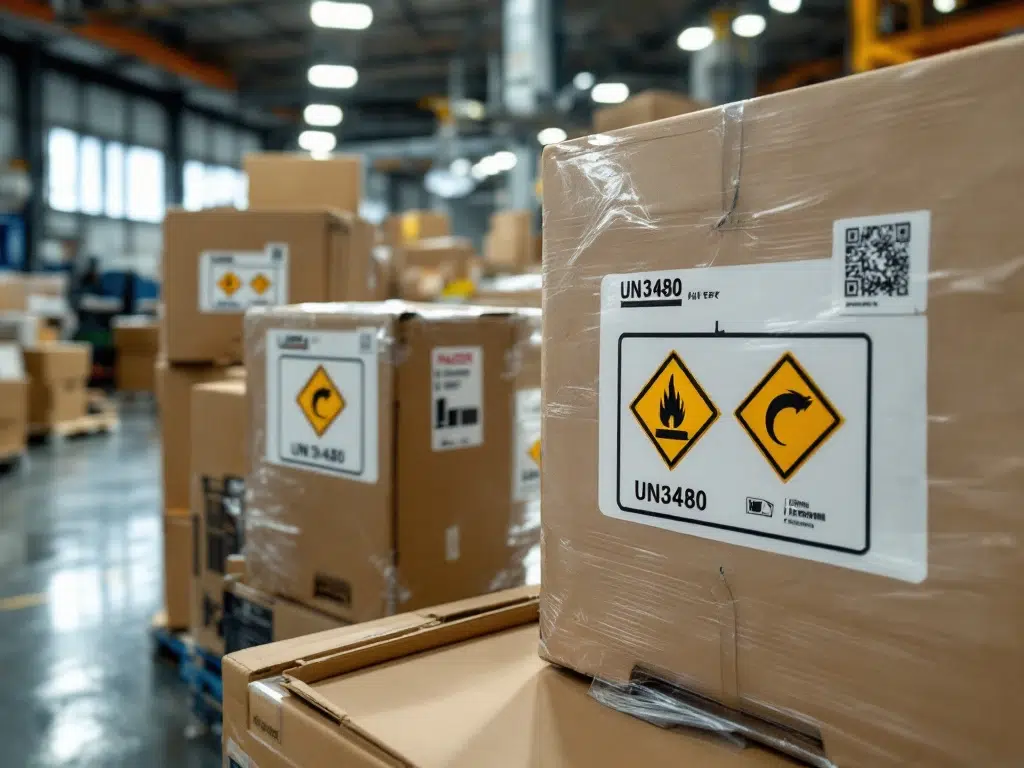
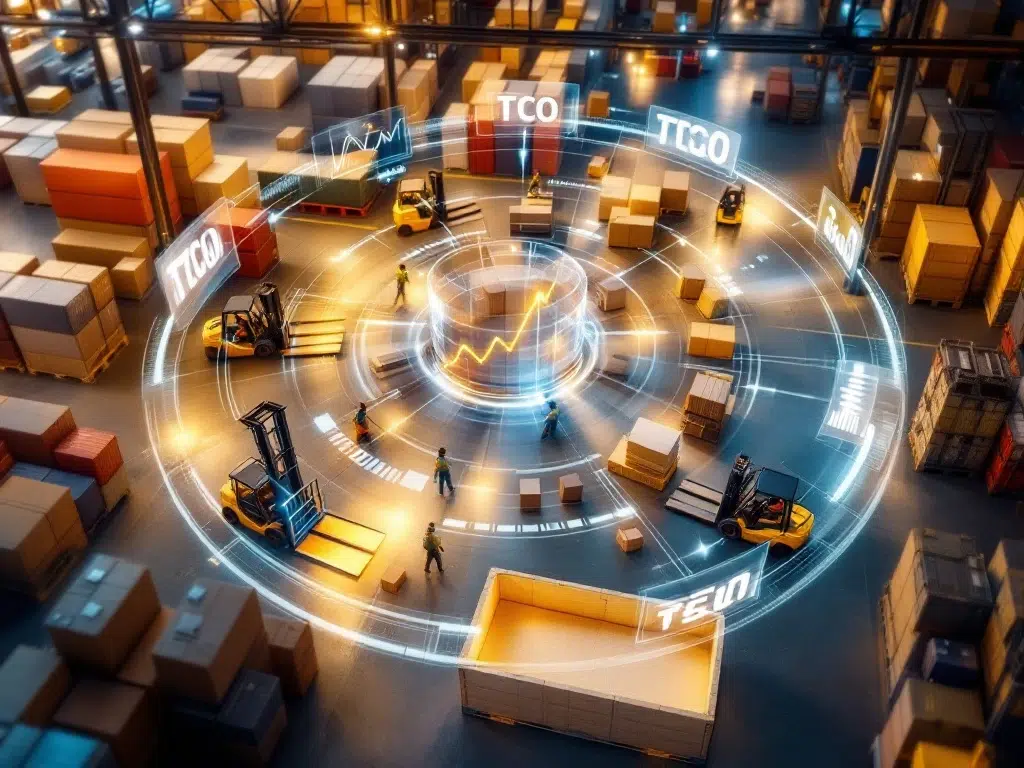
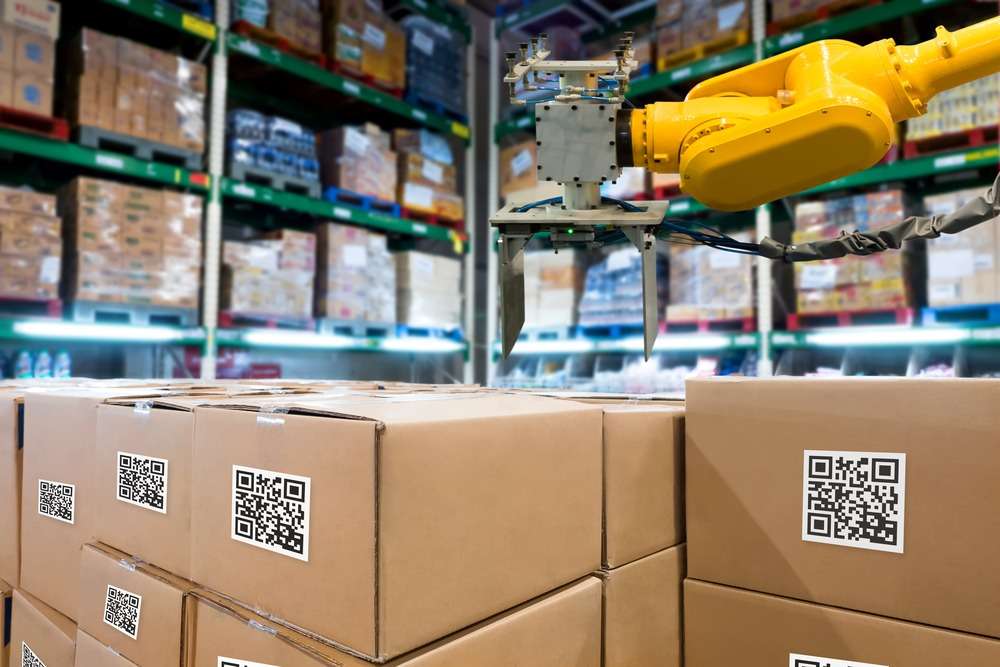
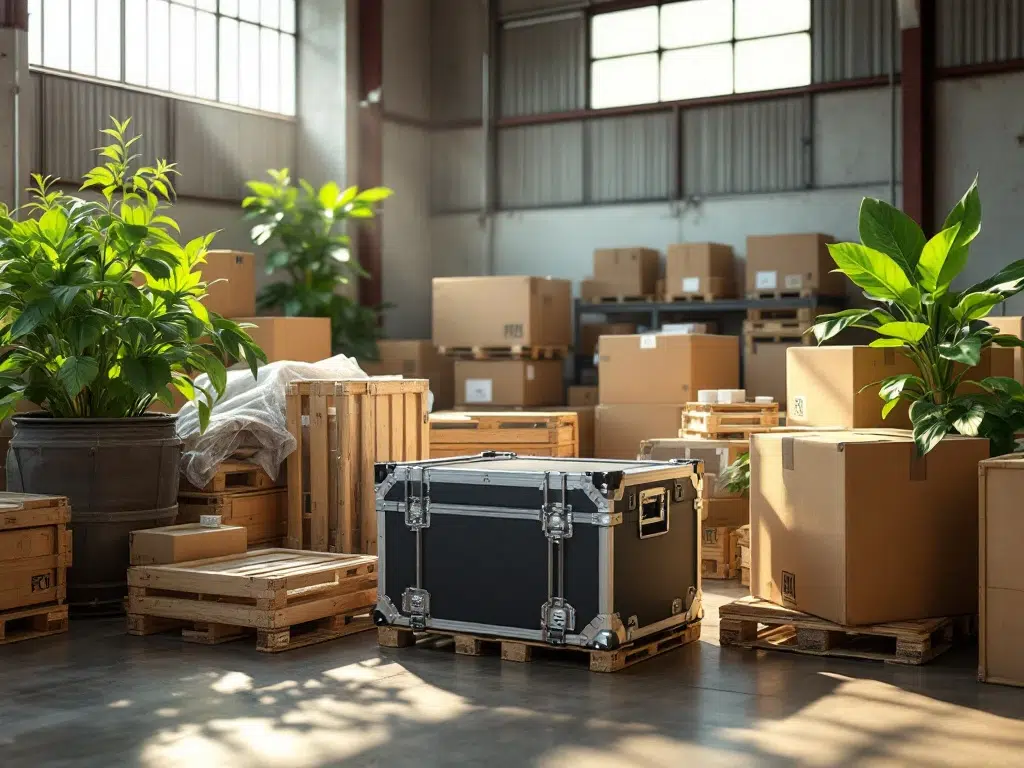
Packaging management contributes to sustainability by applying circular principles such as reuse, repair and recycling of packaging materials. This reduces waste, saves raw materials and lowers CO2 emissions. Sustainable packaging solutions combine environmentally friendly materials with smart logistical processes to achieve both ecological and economic benefits.
Why is sustainable packaging management crucial for businesses?
Sustainable packaging management has become essential for modern businesses due to increasing environmental legislation, rising raw material costs and growing societal pressure. Companies that invest in sustainable packaging management not only achieve cost savings, but also strengthen their market position.
The environmental impact of traditional packaging is considerable. By switching to sustainable alternatives, companies reduce their ecological footprint and contribute to a circular economy. This has direct consequences for business operations.
Cost savings arise from more efficient material use and reduced waste costs. Reusable industrial packaging such as custom flight cases and transport crates significantly reduce total cost of ownership. Companies can structurally lower their operational costs through smart material choices and optimized logistical processes.
Corporate social responsibility plays an increasingly important role in business strategy. Consumers and business customers consciously choose partners who take sustainability seriously. This makes green logistics a competitive advantage.
What exactly is circular packaging management?
Circular packaging management is an approach where packaging remains in use as long as possible through reuse, repair and ultimately recycling. This contrasts with the traditional linear model of make-use-dispose.
The core principles of circular packaging are based on a hierarchy of sustainability strategies. Reuse comes first, followed by repair and renovation, and recycling of materials as the last option.
In practice, this means that industrial packaging is designed for multiple use cycles. Robust transport crates, racks and pallets can last for years and are repaired when necessary. This differs fundamentally from disposable packaging.
| Linear model |
Circular model |
| Make → Use → Dispose |
Make → Use → Reuse → Repair → Recycle |
| Single use |
Multiple use |
| Waste as end product |
Waste as raw material |
The difference lies in the design philosophy. Circular packaging is designed from the beginning with sustainability, repairability and ultimate recycling of components in mind.
How do you choose sustainable materials for industrial packaging?
The choice for environmentally friendly packaging begins with evaluating material properties, sustainability criteria and functional requirements. Recycled cardboard, reusable plastics and sustainably produced wood are popular alternatives.
Recycled cardboard offers excellent protection for lighter products and is fully recyclable. The production process requires less energy than virgin cardboard and reduces pressure on forests.
Reusable plastics such as polyethylene and polypropylene are ideal for industrial applications. These materials retain their properties through multiple use cycles and can be recycled into new products at the end of their lifespan.
Sustainable wood with FSC certification guarantees responsible forest management. For industrial custom packaging, wood offers the necessary strength and can last decades with proper treatment.
Criteria for material selection include:
- Lifespan and reusability
- Recyclability at end of lifecycle
- CO2 emissions during production and transport
- Availability of sustainable sources
- Functional performance for specific applications
What advantages does reusable packaging offer for logistical processes?
Reusable packaging solutions transform logistical processes by realizing cost savings and efficiency gains. The initial investment is compensated by lower operational costs and improved workflow.
Operational advantages manifest in streamlined processes. Standardized reusable containers, pallets and transport crates fit perfectly into automated systems. This reduces manual operations and decreases the chance of damage.
Financial savings arise from eliminated purchase costs of disposable packaging. A robust flight case or transport crate can withstand hundreds of use cycles, while cardboard alternatives must be replaced after each shipment.
Efficiency gains in the supply chain result from better stackability and optimized dimensions. Custom racks and containers maximize transport loading capacity, which saves fuel costs.
Quality preservation is an important side benefit. Professional industrial packaging protects products better than disposable alternatives, which reduces damage and returns.
How do you measure the sustainability impact of your packaging strategy?
Measuring packaging sustainability requires concrete indicators such as CO2 footprint, waste reduction and resource efficiency. These metrics provide insight into the actual environmental impact of your packaging choices.
CO2 footprint calculation encompasses the complete lifecycle from material production to end processing. Reusable packaging often has a higher initial footprint, but compensates through long-term use.
Waste reduction is measured in kilograms of avoided waste per period. By implementing circular packaging, companies can drastically reduce their waste stream.
Resource efficiency shows how many raw materials you save through reuse and recycling. This is expressed in material consumption per packaged unit or per transport cycle.
Practical measurement methods:
- Life cycle analysis (LCA) for complete environmental impact
- Material flow analysis for resource use
- Cost-benefit analysis including external environmental costs
- Benchmarking against industry standards
What are the key steps toward a sustainable packaging strategy?
A successful transition to sustainable packaging solutions follows a systematic approach of analysis, planning, implementation and monitoring. This step-by-step plan helps companies effectively transform to circular packaging.
Start with a thorough analysis of your current packaging situation. Inventory all packaging streams, measure current environmental impact and identify the biggest improvement opportunities. This baseline forms the foundation for all subsequent steps.
Then develop a sustainability strategy that aligns with your business objectives. Set concrete goals for waste reduction, CO2 savings and cost reduction. Determine priorities based on impact and feasibility.
Select suitable partners for custom solutions. Look for suppliers who have expertise in circular packaging and industrial applications. Experience with international standards and regulated sectors is essential.
Implement in phases to limit risks. Start with a pilot project for a specific product line or logistical stream. Evaluate results before expanding to other applications.
Continuously monitor the performance of your new packaging strategy. Regularly measure sustainability indicators and adjust where necessary. Communicate successes to stakeholders to maintain support.
The transformation to sustainable packaging management is a strategic investment that delivers both environmental and business benefits. By applying circular principles, a competitive advantage emerges that fits the demands of the modern market.
How long does it take for reusable packaging to pay for itself?
The payback period for reusable industrial packaging usually lies between 6 months and 2 years, depending on usage frequency and packaging type. Flight cases and transport crates often pay for themselves after 10-15 use cycles, while specialized racks and pallets offer excellent ROI through their long lifespan of 5-10 years.
What mistakes do companies often make when transitioning to circular packaging?
The most common mistakes are underestimating the initial investment, insufficient employee training and failing to align packaging dimensions with logistical processes. Companies also often forget to establish maintenance protocols, preventing optimal utilization of reusable packaging lifespan.
How do you handle different packaging requirements from customers in different countries?
Develop modular packaging systems that can be flexibly adapted to local regulations and customer specifications. Work with international logistical partners who have experience with cross-border transport and invest in packaging that meets the strictest international standards such as ISPM15 for wooden packaging.
What do you do when reusable packaging gets damaged during transport?
Establish a repair protocol with fixed criteria for when repair is still economically justified. Work with specialized repair companies and maintain an inventory of spare parts. For critical transports, you can deploy backup packaging to guarantee delivery reliability.