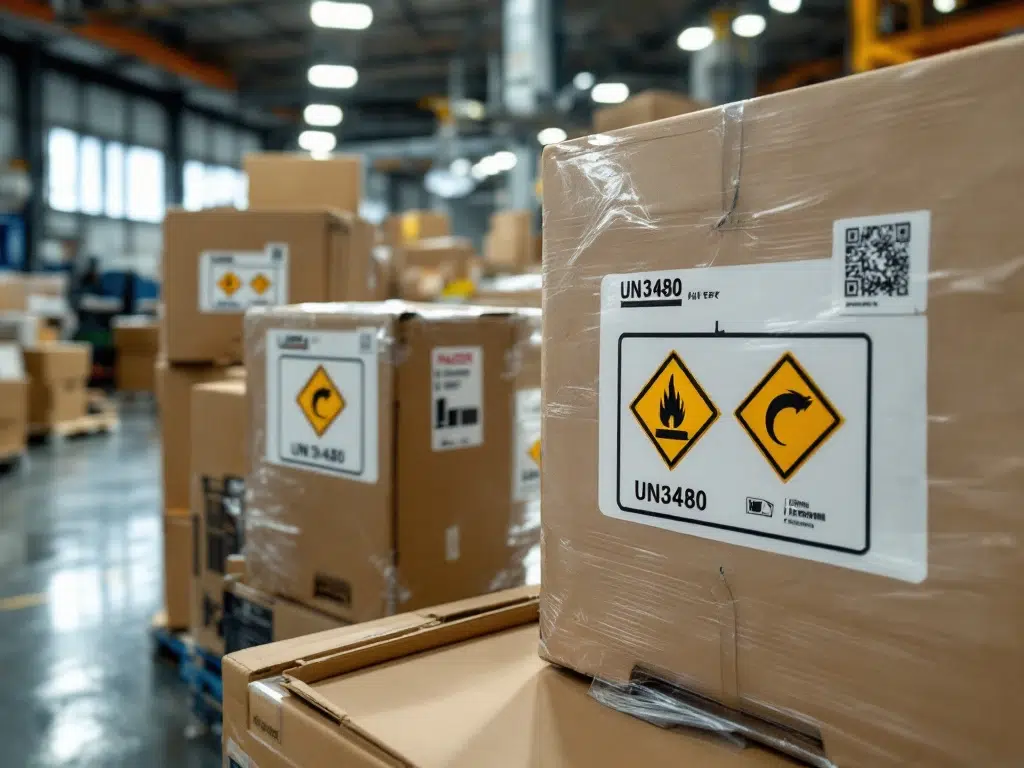
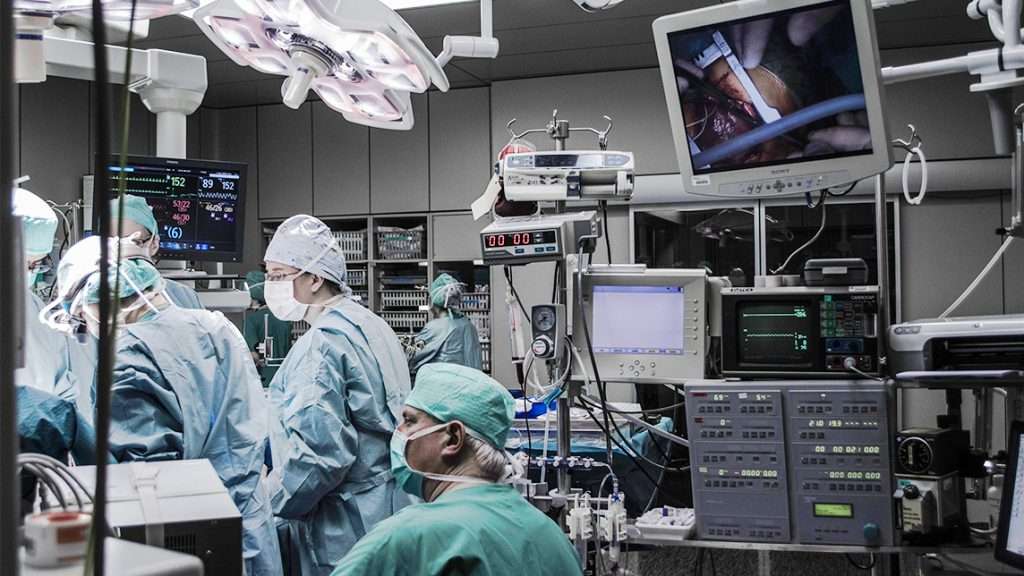
Medical packaging successfully integrates into hospital processes through a strategic approach that combines sterility maintenance, compliance with medical standards, and operational efficiency. It requires careful selection of packaging solutions, structured logistical workflows, and implementation of sustainable, reusable systems that align with the unique requirements of your hospital environment.
Why are specialized medical packaging solutions crucial for hospitals?
Specialized medical packaging forms the backbone of safe hospital operations. It ensures that valuable medical equipment and instruments maintain their functionality during transport and storage.
Sterile packaging of medical instruments prevents contamination and infection risks. Without adequate protection, medical devices can become damaged, which not only means financial losses but also puts patient safety at risk.
Compliance plays an essential role in hospital processes. Medical packaging solutions must meet strict regulations and quality standards. This ensures consistent care quality and reduces legal risks.
Operational efficiency improves significantly when medical packaging is optimally aligned with hospital workflows. Well-designed packaging systems reduce preparation times and minimize handling errors during critical procedures.
What are the key requirements for medical packaging in hospitals?
Medical packaging in hospitals must meet strict requirements for material compatibility, sterility maintenance, and traceability. These fundamental requirements ensure patient safety and operational reliability.
UN standards and NEN norms define the minimum quality requirements for medical packaging. These international guidelines specify test methods, material requirements, and performance indicators that are essential for medical applications.
Material compatibility is crucial in sterilization processes. Packaging materials must withstand various sterilization methods such as autoclaving, gamma radiation, or ethylene oxide treatment without losing their protective properties.
| Requirement |
Specification |
Application |
| Sterility maintenance |
Barrier properties |
Instrument sets, implants |
| Traceability |
Unique identification |
Medications, equipment |
| Temperature stability |
-80°C to +180°C |
Laboratory samples, vaccines |
| Shock resistance |
Drop-test certification |
Diagnostic equipment |
Traceability requires unique identification systems that record the complete history of medical products. This supports quality control and enables rapid recall actions when necessary.
How do you choose the right packaging solution for different medical equipment?
The selection of medical packaging solutions depends on equipment type, transport frequency, and specific protection requirements. A systematic approach helps in making the right choice for your situation.
Equipment type determines the primary packaging requirements. Delicate diagnostic instruments have different protection needs than robust resuscitation equipment. Industrial custom packaging provides optimal protection through adaptation to exact specifications.
Transport requirements vary between internal hospital logistics and external distribution. Internal transport often requires lighter, easily manageable solutions, while external shipping needs more robust protection against shocks and vibrations.
Storage conditions influence material choice and packaging design. Medications that must be kept refrigerated need thermal insulation, while surgical instruments primarily require sterile environments.
Usage frequency determines whether single-use or reusable packaging is more cost-effective. With frequent use, durable, reusable solutions such as flight cases and transport containers offer long-term advantages.
What logistical processes are needed for effective medical packaging integration?
Effective integration of medical packaging requires structured logistical workflows that seamlessly connect inventory management, distribution processes, and quality control within your hospital environment.
Medical logistics begins with accurate inventory registration. Real-time tracking of packaging and their contents prevents shortages during critical moments and optimizes storage capacity.
Distribution processes within hospitals must account for urgency and prioritization. Emergency cases require quick access to specific medical packaging, while planned procedures allow more flexibility in timing.
Quality control includes regular inspection of packaging integrity and sterility status. Automated control systems can help monitor expiration dates and maintenance schedules.
Return logistics plays an important role with reusable medical packaging. Systematic cleaning, inspection, and re-sterilization ensure continuous availability of high-quality packaging.
How does sustainable medical packaging contribute to circular hospital processes?
Sustainable medical packaging supports circular hospital processes through reuse, repair possibilities, and optimized life cycles. This reduces waste and significantly lowers operational costs.
Reusable packaging solutions such as specialized medical transport containers can be used hundreds of times. This not only reduces waste production but also the continuous acquisition costs of single-use packaging.
Circular packaging is designed for easy maintenance and repair. Modular constructions make it possible to replace damaged components without discarding the complete packaging.
Recycling of medical packaging materials requires careful separation and treatment due to possible contamination. Specialized recycling processes can recover valuable materials for new applications.
Data-driven management of circular packaging optimizes their deployment. Tracking usage patterns, maintenance needs, and lifespan helps maximize the value from each packaging.
Key considerations for implementing medical packaging systems
Successful implementation of medical packaging systems requires careful planning, stakeholder involvement, and phased rollout. This systematic approach maximizes adoption and minimizes operational disruptions.
Compliance aspects must be included from the beginning. Ensure that all chosen medical packaging standards comply with local and international regulations before implementing.
Staff training is essential for successful adoption. Healthcare personnel must understand how new packaging systems affect their daily work and what benefits they provide.
Phased implementation reduces risks and allows for adjustments. Start with a pilot project in one department before rolling out the system hospital-wide.
Professional medical packaging solutions offer long-term benefits through improved patient safety, operational efficiency, and cost savings. The initial investment is compensated by reduced damage, fewer repeat purchases, and optimized workflows that benefit your hospital processes.
How long does it take to implement a complete medical packaging system in a hospital?
A complete implementation takes an average of 6-12 months, depending on the size of the hospital and complexity of the processes. Start with a pilot project of 2-3 months in one department, followed by phased rollout to other departments. Plan extra time for staff training and adjustments based on practical experiences.
What are the most common mistakes when switching to reusable medical packaging?
The biggest mistakes are insufficient cleaning and sterilization protocols, lack of tracking systems, and underestimating maintenance costs. Ensure clear procedures for return logistics, invest in adequate cleaning equipment, and train personnel thoroughly in proper use and maintenance of reusable systems.
How can I calculate the ROI of new medical packaging systems?
Calculate ROI by comparing total implementation costs against savings on damage, repeat purchases, and labor costs. Include factors such as reduced instrument damage (average 15-30% reduction), time savings in preparation (10-20%), and lower packaging costs with reusable systems. Most hospitals see a positive ROI within 18-24 months.
Which certifications are essential when purchasing medical packaging?
Look for ISO 11607 certification for sterile medical packaging, UN standards for hazardous materials transport, and CE marking for medical devices. For reusable packaging, ISO 17665 (sterilization) and IQ/OQ/PQ validation are important. Also check if suppliers have FDA registration for international compliance.