Poor medical packaging poses a serious threat to patient safety through risks such as contamination, loss of sterility, and damage to medical equipment. These packaging failures can lead to infections, delayed treatments, and increased healthcare costs. Quality medical packaging is therefore essential for ensuring product integrity and protecting patients throughout the entire care process.
Why is the quality of medical packaging crucial for patient safety?
Medical packaging serves as the first line of defense between medical products and external threats. It not only protects against physical damage but also ensures the preservation of sterility and product integrity throughout the entire supply chain.
In the medical sector, packaging plays a much more complex role than in other industries. It must withstand sterilization processes, extreme temperatures, and mechanical stress during transport. At the same time, it must be easy and safe to open in sterile environments.
The quality of medical packaging has a direct impact on treatment outcomes. A defective package can mean that surgery is postponed, expensive medical equipment becomes unusable, or patients are exposed to infection risks.
What are the greatest risks of defective medical packaging?
Defective medical packaging brings various critical risks that directly threaten patient safety. Loss of sterility tops this list of dangers.
Contamination by bacteria, viruses, or other pathogens can occur when packaging tears, fails to seal properly, or becomes porous. This risk is increased with packaging that cannot withstand the required sterilization methods.
Physical damage to medical equipment due to inadequate protection during transport and storage poses another major risk. Sensitive instruments, implants, and diagnostic equipment can become unusable as a result.
- Loss of product integrity due to temperature fluctuations
- Chemical degradation due to unsuitable packaging materials
- Cross-contamination between different medical products
- Moisture and oxidation due to poor barrier properties
How can poor packaging compromise the sterility of medical products?
Poor packaging breaches the sterile barrier in various ways, allowing microorganisms to access medical products that should remain sterile.
Micro-cracks in packaging materials, caused by mechanical stress or temperature changes, create entry points for bacteria and viruses. These cracks are often not visible to the naked eye but can still compromise sterility.
Insufficient sealing of seams and connections is a common problem with lower-quality medical packaging. This allows pathogens to penetrate, especially in humid environments or during temperature fluctuations.
For medical implants and instruments used directly in the body, loss of sterility can have dramatic consequences. Post-operative infections, sepsis, and other complications can be the direct result of contaminated medical products.
What consequences do packaging failures have for patients and healthcare providers?
Packaging failures in the medical sector have far-reaching consequences that extend beyond just the defective product. Patient safety is directly at stake when medical packaging fails.
Direct consequences for patients include increased infection risks, delayed or cancelled treatments, and in the worst case, life-threatening complications. Healthcare providers face operational challenges and potential liability issues.
Financial consequences are significant: replacement of contaminated products, additional sterilization processes, extended hospital stays, and treatment of infections. These costs are ultimately passed on in healthcare expenses.
| Type of consequence |
Impact on patients |
Impact on healthcare providers |
| Medical |
Infection risk, complications |
Treatment delays, re-operations |
| Operational |
Longer waiting times |
Disrupted planning, extra procedures |
| Legal |
Reduced trust |
Liability, compliance issues |
How do you recognize signs of inadequate medical packaging?
Recognizing packaging defects requires systematic inspection and knowledge of critical warning signs. Visual inspection forms the first line of defense against defective medical packaging.
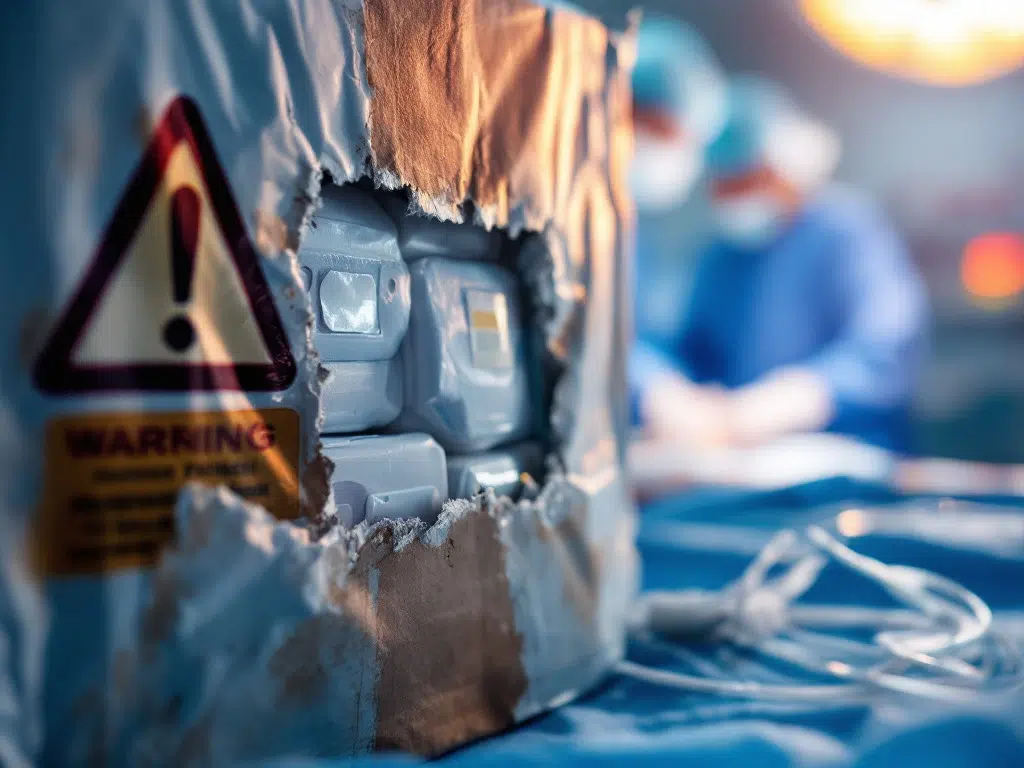
Visible damage such as tears, perforations, dents, or deformations are clear indicators of compromise. Discoloration of packaging materials can also indicate exposure to unwanted conditions.
Tactile inspection is equally important: packaging that feels soft where it should be tight, or that makes crackling sounds under light pressure, may be compromised.
- Check expiration dates and sterilization indicators
- Look for missing or damaged labels and certifications
- Inspect seams and seals for continuity
- Check for moisture or condensation in the packaging
- Verify the integrity of sterile barriers
What standards and regulations apply to medical packaging?
Medical packaging must comply with strict international standards that ensure safety and effectiveness. This regulation is essential for maintaining quality in the medical sector.
ISO 11607 forms the core standard for sterile medical packaging and defines requirements for materials, design, and validation. This standard is recognized and applied worldwide in the medical industry.
In Europe, the Medical Device Regulation (MDR) applies, which sets specific requirements for medical packaging. Pharmaceutical packaging also falls under strict EU guidelines for medicines.
Dutch medical institutions must also comply with NEN standards and guidelines from organizations such as the RIVM. These national standards supplement international regulations with local specifications.
Key considerations for safe medical packaging
Choosing the right packaging partner for medical applications requires thorough evaluation of expertise, certifications, and quality systems. Not all packaging suppliers have the specialized knowledge that medical applications require.
A reliable partner has extensive knowledge of medical standards, experience with regulated sectors, and can provide end-to-end solutions. From design and engineering to production and logistics support, everything must seamlessly connect.
Sustainability and circularity are becoming increasingly important in the medical sector. Modern packaging solutions combine maximum protection with environmentally friendly materials and reusable designs where possible.
Investing in quality medical packaging is investing in patient safety. The costs of high-quality packaging do not outweigh the risks and costs of packaging failures. By choosing specialized partners with proven expertise in medical packaging, healthcare providers and medical companies can optimally protect their patients.
How often should medical packaging be checked for defects?
Medical packaging should be visually inspected upon each receipt and checked again just before use. Implement a systematic inspection where at least 10% of each shipment is thoroughly inspected for tears, damage, and sterility indicators. When in doubt about integrity, the product should always be rejected.
What should I do if I discover damaged medical packaging?
Stop use immediately, isolate the product, and document the damage with photos if possible. Report the incident to your supplier and follow internal procedures for product rejection. Also check other products from the same batch and consider a broader inspection if a pattern of defects is observed.
Can damaged medical packaging be repaired or re-sterilized?
No, damaged medical packaging should never be repaired or reused. The sterile barrier is compromised and cannot be reliably restored. The product must be rejected and replaced with a new, intact package to ensure patient safety.
How can I as a healthcare provider assess the quality of our packaging suppliers?
Verify that suppliers have ISO 11607 certification and other relevant medical standards. Ask for references from other medical institutions, inspect their production facilities if possible, and evaluate their complaint handling and traceability. A reliable supplier can be transparent about their quality processes.