Drone gimbal systems are sensitive precision equipment that is essential for creating stable footage. Safely transporting these vulnerable components requires special attention and protection. The right packaging method can make the difference between a fully functioning system and costly damage. Protecting drone gimbals during transport is about understanding the risks, choosing the right materials, and following proven packaging methods.
What are the biggest risks for drone gimbal systems during transport?
Drone gimbal systems are exposed to various hazards during transport that can cause serious damage. The biggest risks are mechanical shocks and vibrations that can displace or damage precision components. Even relatively small shocks can disrupt calibration and affect the accuracy of stabilization.
Moisture poses another significant threat. Condensation can affect electronic components and cause corrosion in the fine mechanical parts. Temperature fluctuations are equally problematic – especially with international shipments where climate conditions can vary greatly.
Gimbals are particularly vulnerable due to their complex construction. They contain:
- Precision motors that must continue to work accurately
- Sensitive sensors that must remain perfectly aligned
- Fine electronics that can be damaged by static electricity
- Moving parts that can jam or break upon impact
Static electricity is an underestimated risk that can damage the sensitive electronics in gimbal systems. This is especially true in dry environments or during air travel where static build-up can easily occur.
Which materials protect drone gimbals most effectively?
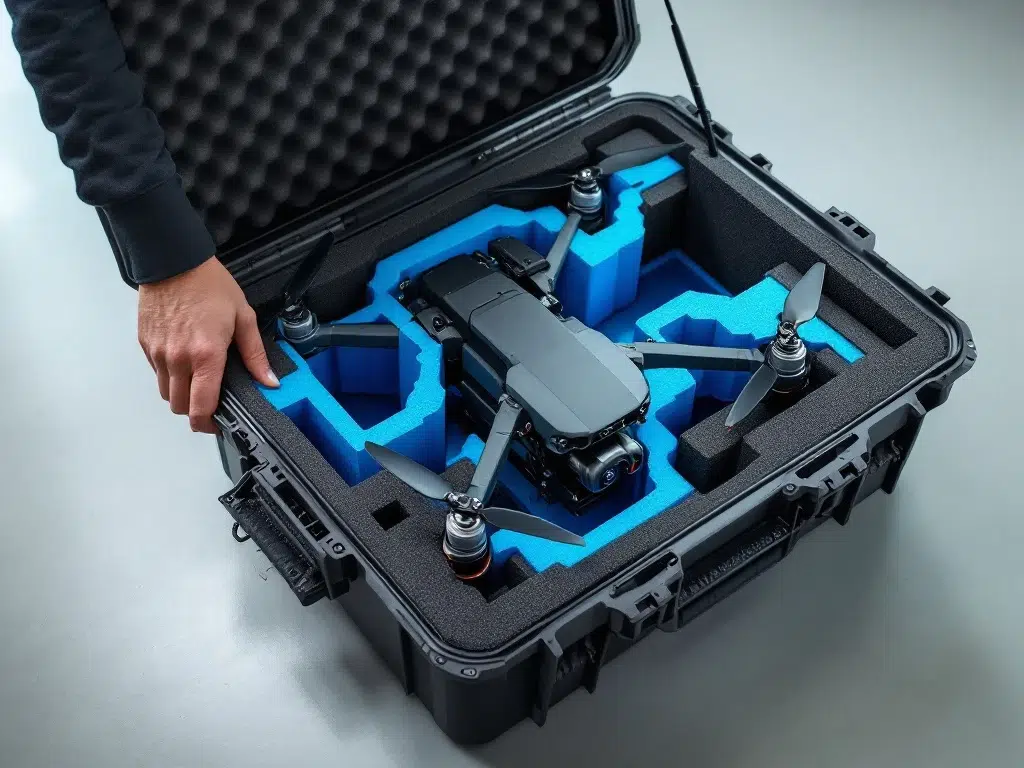
For optimal protection of drone gimbals, specific materials are needed that fulfill various protective functions. Custom-cut foam is one of the most effective solutions. This material is precisely cut to the contours of the gimbal system, ensuring a perfect fit and protection from all directions against shocks.
The best protective materials for drone gimbals are:
- Polyethylene foam with varying densities – effectively absorbs shocks and vibrations
- Anti-static foam – prevents damage from static electricity to electronic components
- Moisture-absorbing materials and silica gel – keep moisture away from sensitive parts
- Shock-absorbing inserts – provide extra protection at critical points
- Water-resistant exterior materials such as aluminum or high-quality plastic – protect against external elements
The choice of exterior material is just as important as the interior. Aluminum cases are ideal because they are lightweight while providing excellent protection against shocks, moisture, and extreme temperatures. High-quality plastic cases are a good alternative and can often be equipped with pressure ventilation to handle pressure changes during air transport.
The combination of different materials is crucial – a hard outer shell protects against impact, while the inner material absorbs shocks and holds the gimbal precisely in place.
How should you properly prepare a drone gimbal for transport?
Properly preparing a drone gimbal for transport begins with locking all moving parts. Most professional gimbals have special locking mechanisms or transport positions for this purpose. If these are not available, you can carefully use soft straps or Velcro to restrict movement without putting pressure on sensitive components.
Follow these steps for safe preparation:
- Document the current state of the gimbal with photos and note serial numbers
- Remove batteries and store them separately in special battery packaging
- Protect electrical contact points with caps or non-conductive tape
- Activate the transport mode of the gimbal according to the manufacturer’s guidelines
- Wrap the gimbal in anti-static material first before placing it in foam
- Place moisture-absorbing packets in the packaging for long-term storage or transport
When packaging, it’s important to ensure that the gimbal fits perfectly in the foam cutout without pressure being applied. There should be sufficient support, but also enough space to absorb shocks without transferring the force to the device.
Consider providing extra protection for critical components such as lenses with microfiber covers before packaging the entire system. This offers an additional layer of protection against scratches and dust.
What are the requirements for international shipping of drone equipment?
When shipping drone equipment internationally, you must consider various regulations that can differ by country. The key requirements relate to batteries, customs documentation, and export restrictions.
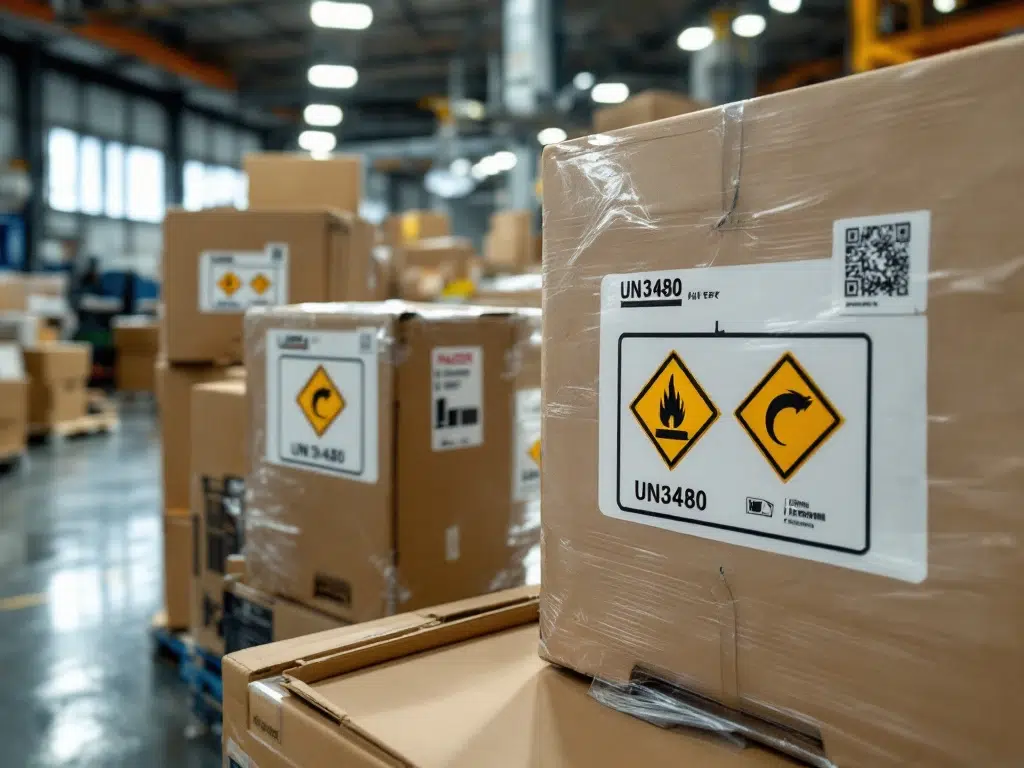
Lithium-ion batteries, commonly used in drones and gimbals, fall under dangerous goods regulations. For air freight, strict rules apply:
- Batteries usually must be shipped separately with special marking
- The charge status must not exceed 30% for safe air transport
- There are restrictions on the number and type of batteries that can be shipped
For customs documentation, you typically need:
- Detailed packing list with serial numbers and valuation
- Certificates of origin for the equipment
- Temporary import/export documents (carnet) for professional equipment
- Any certificates showing the equipment complies with local regulations
Keep in mind that drone technology in some countries is considered dual-use (both civilian and military applications possible) and may therefore be subject to export restrictions. This is especially true for advanced stabilization systems and high-end camera equipment that could be used in defense applications.
Insurance is essential for international shipping. Ensure you have a policy that covers the full value of your equipment, including any consequential damage due to delay or damage.
When is a custom packaging solution necessary?
Standard packaging is not always adequate for protecting drone gimbal systems. A custom packaging solution becomes necessary in various situations where the value, vulnerability, or usage conditions impose special requirements.
You likely need customization when:
- You work with high-value professional gimbals (€1000+) where damage is costly
- Your equipment is frequently transported between different locations
- You operate in challenging environments such as extreme temperatures or humid conditions
- Your system consists of multiple components that need to be organized
- You have specific requirements for rapid deployment in the field
Custom packaging offers several advantages over standard solutions:
- Exact fit for your specific gimbal model and accessories
- Optimal protection through customized shock absorption
- Efficient organization of all components for quick access
- Possibility to integrate specific features such as pressure ventilation or waterproofing
- Professional appearance that matches high-quality equipment
The cost-benefit analysis usually favors professional users. The investment in custom packaging is significantly lower than the costs of repairing or replacing damaged equipment, not to mention missed projects due to non-functioning equipment.
For occasional use or budget-friendly gimbals, custom foam inserts combined with standard cases can often provide sufficient protection against the most common transport risks.
Conclusion
Safely transporting drone gimbal systems requires a thoughtful approach that considers the specific vulnerabilities of this precision equipment. By choosing the right materials, following proper preparation steps, and investing in custom packaging where necessary, you can significantly reduce the risk of damage.
For professional applications, especially in demanding sectors such as defense, emergency services, or professional film production, it’s crucial not to economize on protection. Quality packaging is not an expense but an investment that extends the lifespan of your equipment and guarantees reliability.
At Faes, we understand the unique challenges involved in transporting sensitive equipment such as drone gimbals. With our knowledge of packaging materials and techniques, we ensure your equipment arrives safely and ready for use at its destination, regardless of the circumstances.
Frequently Asked Questions
How can I check if my gimbal is correctly locked for transport?
First consult the manual of your specific gimbal model for the official transport position. Then test whether all axes are blocked by carefully trying to see if the gimbal can move. Never use excessive force. Modern gimbals often have a specific software transport mode that you can activate via the app. Finally, check whether all locks or transport pins are correctly placed before packaging the gimbal.
What should I do if my gimbal gets damaged during transport anyway?
Immediately document the damage by taking photos of the packaging and the gimbal itself. Report the damage to your transport insurance and keep all packaging material as evidence. Contact the manufacturer or an authorized repair service for a diagnosis before using the gimbal. Never use a damaged gimbal, as this can lead to further damage or even cause your drone to crash during use.
Which insurance policies are specifically suitable for transporting drone gimbals?
Look for specialized electronics insurance that explicitly provides coverage for 'all-risk' and 'accidental damage during transport'. For professional users, comprehensive equipment insurance with worldwide coverage is recommended. Check whether the policy also covers consequential damage, such as missed assignments due to defective equipment. Some insurers offer special drone packages that also cover accessories such as gimbals during transport and use.
How do I prepare my gimbal for long-term storage?
For long-term storage, it's crucial to first remove all batteries to prevent leakage. Clean the gimbal thoroughly and ensure all contact points are free from dirt or oxidation. Put the gimbal in transport mode and package it in an airtight container with sufficient moisture-absorbing agents. Store the package in a climate-controlled environment with stable temperature (15-25°C) and low humidity. Check the gimbal every 3-4 months and briefly run the motors to distribute lubricants.