Choosing the right drone transport case can make the difference between a successful mission and costly damage to your equipment. Whether you’re a recreational flier or professional drone operator in sectors such as defense or security, the dimensions of your case are crucial. The ideal size depends on your specific drone model, required accessories, and transportation method. In this article, we answer the most frequently asked questions about selecting the perfect dimensions for your drone transport case.
What dimensions are ideal for drone transport cases?
The ideal dimensions for drone transport cases vary between 300x200x150mm for mini-drones to 600x500x300mm for professional models. For mid-range drones such as the DJI Mavic series, cases of approximately 400x300x200mm are usually sufficient. For industrial or specialized drones, the dimensions can increase to 800x600x400mm or larger, depending on the configuration.
Besides the external dimensions, it’s important to look at the internal dimensions and the thickness of the protective material. A good rule of thumb is to have at least 25-40mm of extra space around your drone for adequate protection. This buffer ensures that shocks and vibrations during transport are absorbed before they reach your drone.
For drones used in extreme conditions, such as in defense or security applications, more robust cases with thicker walls are needed. These not only offer better protection against impacts but also against water, dust, and temperature fluctuations that can damage sensitive electronics.
How does the drone model affect the required case dimensions?
The drone model largely determines what case dimensions you need. Foldable drones such as the DJI Mavic series take up to 50% less space when folded compared to flight position. For these models, a compact case of approximately 400x300x200mm is often sufficient. Non-foldable drones such as many professional models from Autel or industrial drones require larger cases of at least 500x400x300mm.
The shape of your drone is also important. Drones with a traditional X-frame have different space requirements than hexacopters or octocopters. Some drone models have protruding parts such as cameras or sensors that need extra protection. This affects not only the total dimensions but also the layout of the interior of your case.
When choosing a transport case, also consider the weight of your drone. Heavier professional drones need sturdier foam and a more robust case than lightweight models. This can increase the external dimensions by 10-15% compared to what you might expect based on the drone alone.
Comparison of popular drone models and their ideal case dimensions
- DJI Mini/Mavic series: 400x300x200mm (foldable)
- DJI Phantom series: 500x400x250mm (non-foldable)
- Autel EVO II: 450x350x200mm (foldable)
- Professional hexacopters: 600x500x300mm
- Industrial drones: 700x600x350mm or larger
What are the minimum internal dimensions for accessories in drone cases?
For a complete drone set, besides space for the drone itself, you also need compartments for essential accessories. Plan for at least 80x50x30mm per battery, 150x100x50mm for a controller, and 100x100x50mm for a charger and cables. Extra propellers need about 150x30x10mm space per set.
For professional applications, even more accessories are often needed. Think of extra sensors (50x50x30mm each), camera filters (50x50x20mm for a set), and possibly a tablet or smartphone as a monitor (250x180x20mm). All these extras can increase the required case dimensions by 30-40%.
The layout of your case is at least as important as the total dimensions. A well-designed interior with custom-made compartments and cutouts ensures that everything stays securely in place during transport. This prevents parts from rubbing against each other or coming loose and getting damaged.
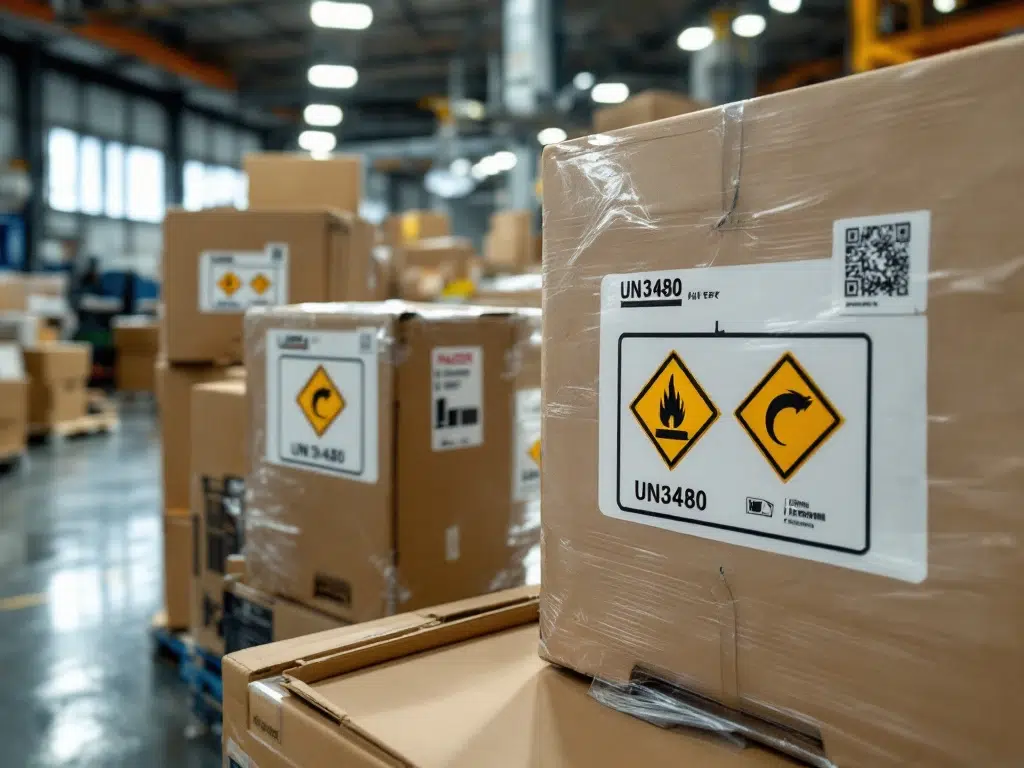
Don’t forget that lithium-ion batteries, the heart of every drone, require special attention during transport. These not only need physical protection but must also be transported according to safety regulations, which can influence how you organize your case.
When is a custom drone case better than standard formats?
Custom drone cases are the better choice when you work with customized drone configurations, need to carry multiple accessories, or have specific requirements for durability and protection. For standard consumer drones, pre-formed cases are often sufficient, but once you start working professionally, custom solutions become more valuable.
Industrial applications, such as inspections or security, often require drones with additional equipment such as specialized cameras, sensors, or other tools. These unique configurations rarely fit perfectly in standard cases. A custom-made solution ensures that all components fit exactly and are optimally protected.
Custom solutions are often necessary for defense and emergency services as well. These sectors have high requirements for equipment that must function under extreme conditions. Standard cases usually don’t meet the specific standards such as MIL-STAN or other certifications required in these sectors.
Another advantage of custom work is the ability to grow the case with your needs. With a modular design, you can add or adjust compartments when you acquire new accessories or upgrade your drone. This makes a custom case often more cost-effective in the long run than buying multiple standard cases.
Which transport regulations affect drone case dimensions?
Transport regulations have a direct impact on the maximum dimensions of drone cases, especially in aviation. Most airlines enforce a maximum size of 55x40x23cm for carry-on luggage, which can be limiting for larger drone sets. For checked baggage, limits of 158cm total dimensions (length + width + height) usually apply.
Besides dimensions, safety regulations also play a role, especially regarding lithium-ion batteries. These are often only allowed in carry-on luggage, meaning your case must comply with carry-on dimensions or you’ll need a separate, smaller case for the batteries.
For international travel, it’s important to consider customs regulations. Some countries have specific rules for importing drones and related equipment. A professionally looking transport case with clear labeling and documentation can facilitate the customs process.
If you regularly travel with your drone, it might be wise to choose a case that is slightly smaller than the maximum allowed dimensions. This gives you some leeway and prevents stress when checking in or boarding. Consider a case of about 50x35x20cm if you frequently fly with your drone.
Carry-on limits for popular airlines
- KLM/Air France: 55x35x25cm
- Lufthansa: 55x40x23cm
- British Airways: 56x45x25cm
- Ryanair: 55x40x20cm
- EasyJet: 56x45x25cm
Conclusion
Choosing the right dimensions for your drone transport case is a balance between adequate protection, practical use, and compliance with transport regulations. For recreational drones, a compact case of 400x300x200mm is often sufficient, while professional applications require larger formats of 500x400x300mm or more.
Always consider the type of drone, the necessary accessories, and the conditions in which you work. For extreme conditions or specialized applications, a custom solution is often the best choice. This not only provides optimal protection but can also grow with your needs.
At Faes, we understand that every drone and application brings unique challenges. That’s why we design and produce transport cases that are fully tailored to your specific needs, ensuring your equipment always arrives safely and ready for use at the destination.
Frequently Asked Questions
What is the difference between IP65, IP67, and IP68 protection classes for drone cases?
IP65 protects against dust and water jets, but not against immersion. IP67 offers protection against temporary immersion (up to 1 meter deep for 30 minutes), while IP68 can handle prolonged immersion (deeper than 1 meter). For drone operators working in wet or dusty environments, at least IP65 is recommended, while IP67/IP68 is essential for maritime applications or use during heavy rainfall.
How do I optimally organize the interior of my drone case?
Start by placing the drone in the center and arrange accessories around it based on frequency of use. Use color-coded foam or labels for quick identification. Place heavier items at the bottom for stability and keep batteries separated from metal objects. Leave some extra space for future accessories and consider modular compartments that can be adjusted as your equipment changes.
Should I choose custom-cut foam or modular inserts?
Custom-cut foam offers superior protection by exactly following the contours of your equipment, ideal for expensive professional drones. Modular inserts are more flexible when you regularly change configurations or add new accessories. For the best of both worlds, you can choose a hybrid solution with a fixed cutout for the drone and adjustable compartments for accessories.
How do I maintain my drone transport case for maximum lifespan?
Clean the case regularly with a damp cloth and mild soap, especially after use in salty or dusty environments. Check and lubricate hinges and closures with silicone spray. Replace damaged or compressed foam in a timely manner to maintain optimal protection. Store the case in a dry place with neutral temperature and avoid prolonged exposure to direct sunlight, which can weaken materials.