For the safe transportation of classified equipment, standard locks are not adequate. Classified equipment includes sensitive, expensive, or strategically important equipment that requires extra protection during transport. The right locks not only provide physical security but also comply with strict certification requirements and international standards. For defense, security organizations, and other sectors working with sensitive equipment, choosing the right locking system is crucial to ensure the integrity and security of the contents throughout the entire transport process.
What are the security requirements for locks in classified equipment transport?
When transporting classified equipment, locks must meet specific security standards and certifications that are internationally recognized. The minimum security requirements typically include certifications according to military standards (MIL-SPEC), ISO standards, and specific UN certifications for dangerous goods when applicable.
For defense applications, there are strict MIL-STAN certifications that guarantee the tamper resistance, durability, and reliability of locks. These certifications test locks for resistance against forcing, picking, and other forms of unauthorized access. Additionally, they are tested for resistance to extreme conditions such as temperature fluctuations, moisture, dust, and vibrations.
In addition to military standards, there are also international standards such as the ISO 28000 series for security management in the supply chain. These standards set requirements for the security of transport vehicles and containers, including the locks used.
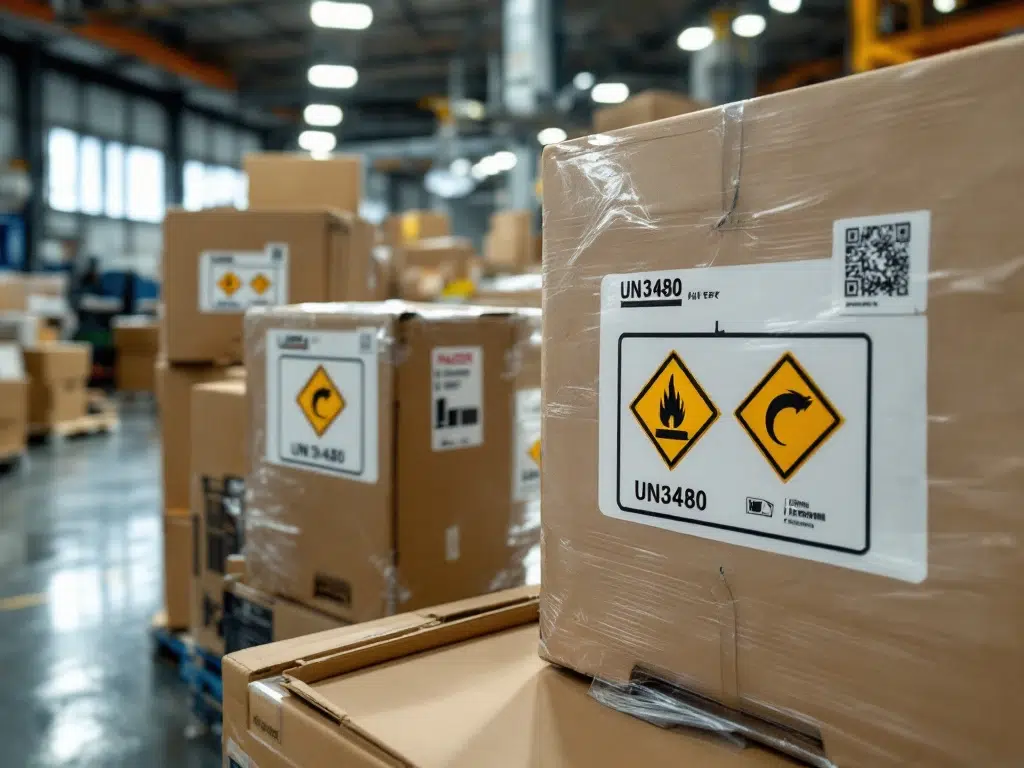
For specific sectors, additional requirements apply. For example, locks for medical equipment often need to comply with FDA requirements or other medical certifications, while locks for hazardous materials must comply with UN regulations for the transport of dangerous goods.
It is important to note that the security requirements not only relate to the physical properties of the lock but also to the management of access rights, audit trails, and integration with tracking systems. A complete security system for classified equipment transport therefore often includes multiple security layers.
What types of locks offer the highest security for sensitive equipment?
For securing sensitive equipment during transport, various locking systems are available, each with specific strengths and weaknesses. The choice depends on the sensitivity of the equipment, transport conditions, and specific security requirements.
Mechanical high-security locks form the basis for many security solutions. These locks are specially designed to resist picking, bumping, and other manipulation techniques. They are made from hardened materials that resist drilling, sawing, and other physical attacks. The advantage of these locks is their reliability and the fact that they don’t require batteries or electronic components that could fail. The disadvantage is that key management can be challenging in large-scale operations.
Electronic locks offer advanced features such as access control, audit trails, and temporary access rights. These locks can be programmed to grant access to specific people at specific times, improving control over who has access to the equipment. They can also record events, so you know exactly when and by whom the container was opened. The disadvantage is that they depend on batteries and electronic components that may fail under extreme conditions.
Biometric systems use unique physical characteristics such as fingerprints, iris scans, or facial recognition to grant access. These systems provide a high level of security because biometric features are difficult to forge. They also eliminate the need for physical keys or access codes that can be lost or stolen. The disadvantage is that they can be sensitive to environmental factors and are relatively expensive to purchase and maintain.
Hybrid solutions combine the strengths of different locking systems. For example, a mechanical lock with an electronic override, or an electronic lock with biometric verification. These solutions provide multiple security layers and are therefore particularly suitable for high-value classified equipment. They also offer redundancy, so if one system fails, the other still functions.
For applications in the defense sector, hybrid solutions that meet military specifications and are resistant to extreme conditions that may occur in the field are often used.
How do certified transport locks work in practice?
In practice, certified transport locks are more than just a mechanical or electronic device to secure a container. They are part of an integrated security system that must be carefully managed to ensure the safety of classified equipment.
The installation of high-security locks often requires specialized knowledge and training. It is important that the locks are correctly mounted on the transport container or case to provide maximum security. Some systems require creating special attachment points that cannot be easily removed or bypassed.
The management of access rights is a crucial aspect of transport security. For mechanical locks, this means carefully managing keys, including who may use them and when. For electronic systems, it involves programming access rights, setting time windows when access is allowed, and regularly updating these settings.
Many modern transport locks offer real-time monitoring capabilities. This means you can see where your equipment is at any time and whether attempts have been made to gain unauthorized access. These systems can generate alarms during unauthorized access attempts or when the container comes outside a predefined route or area.
The integration with tracking systems is an important part of modern transport security. GPS trackers can be integrated with locking systems to provide real-time location information. Some systems can also apply geofencing, where an alarm is activated if the container leaves a predefined area.
In case of emergency situations, there must be emergency procedures to access the equipment without going through the normal access process. This could be an emergency key that is safely stored at a central location, or an override code that can only be used by authorized personnel.
What is the difference between standard transport locks and locks for classified equipment?
The difference between standard transport locks and locks for classified equipment lies in various aspects, from the materials used to the security levels and tamper resistance.
Materials and construction form an important distinction. Standard transport locks are usually made of basic metals and have a simple construction. They are designed to prevent casual theft but offer little resistance against tools or specialized break-in techniques. Locks for classified equipment, on the other hand, are made of high-quality, hardened materials that resist drilling, sawing, and other physical attacks. They often have a more complex internal construction with multiple security layers.
The tamper resistance of locks for classified material is significantly higher. Where standard locks are often vulnerable to simple picking techniques, locks for classified equipment are designed to resist advanced manipulation techniques. They may also have tamper-evident features, meaning they leave clear traces if someone tries to manipulate them.
The security level is another important difference. Standard transport locks provide a basic security level that is sufficient for everyday applications. Locks for classified equipment provide multiple security layers and are often certified according to strict military or industrial standards. They may also have advanced features such as access control, audit trails, and integration with alarm systems.
The price and maintenance costs also differ significantly. Standard transport locks are relatively inexpensive and require little maintenance. Locks for classified equipment are considerably more expensive due to the advanced materials, construction, and features. They also require regular maintenance and updates to maintain their security level.
Finally, ease of use also differs. Standard locks are simple to use without special training. Locks for classified equipment can be more complex to use and often require training and specific procedures to use and manage them correctly.
Why are multiple security layers important when transporting classified equipment?
When transporting classified equipment, the principle of layered security is essential. This means not relying on a single security mechanism but implementing multiple layers of security that together form a robust system.
The main advantage of layered security is that it provides a “defense in depth” strategy. If one security layer is breached, there are still other layers providing protection. This makes it significantly more difficult for unauthorized persons to gain access to the classified equipment.
An effective layered security system for transporting classified equipment typically includes the following components:
- Physical barriers: This starts with a robust transport container or case that is resistant to physical impact and environmental factors such as water, dust, and extreme temperatures.
- High-security locks: These form the primary access control to the container and can be mechanical, electronic, or hybrid.
- Tamper-evident seals: These leave clear traces if someone tries to open the container, helping to detect unauthorized access attempts.
- Tracking and monitoring systems: GPS trackers and sensors that monitor the location and status of the container in real-time.
- Procedural controls: Strict procedures for who has access to the container, when, and under what circumstances.
- Personnel screening: Background checks and security clearances for personnel handling classified equipment.
The integration of different security layers is crucial for an effective system. The various components must work together seamlessly to form a coherent security system. For example, an electronic lock can be integrated with a GPS tracking system, so the lock can only be opened at specific locations or by specific personnel.
It is also important to conduct regular security audits to ensure that all security layers remain effective. This includes testing locks for vulnerabilities, checking tracking systems for accuracy, and evaluating procedural controls for compliance.
A well-designed layered security system not only provides protection against unauthorized access but also enables risk management. By understanding which security layers are most critical, you can allocate resources where they are most effective.
Conclusion
Choosing the right locks for transporting classified equipment is a complex task that requires knowledge of different locking systems, security standards, and operational needs. By choosing certified locks that meet the relevant standards, and by integrating these into a layered security system, you can significantly improve the safety of your sensitive equipment.
Remember that the best security depends not only on the quality of the locks but also on how they are used and managed. Training, procedures, and regular security audits are just as important as the technical specifications of the locks themselves.
At Faes, we understand the unique challenges involved in transporting classified equipment. We offer customized solutions that meet the highest security requirements, ensuring that your sensitive equipment arrives safely at its destination.
Frequently Asked Questions
What are the main differences between TEMPEST-certified and regular transport locks?
TEMPEST-certified locks provide additional protection against electromagnetic eavesdropping techniques, which is crucial for equipment containing sensitive information. They are designed to minimize electromagnetic emissions that can be intercepted by hostile parties. Regular high-security locks provide physical protection but lack this specific protection against electromagnetic surveillance, which can be essential for certain classification levels of defense and intelligence equipment.
How do you ensure secure key transfer during transport over long distances or between different organizations?
Implement a strict key management system where physical keys and access codes are sent via separate channels. For critical transports, use an escrow system where a trusted third party holds the keys until verification from both parties. With electronic locks, you can generate time-bound access codes that are only valid within a specific time window. Document each key transfer carefully and ensure confirmation of receipt in a secure environment.
What additional measures are needed for international transport of classified equipment?
For international transport, you must consider country-specific regulations regarding cryptography and security technology. Check in advance whether your locks comply with the import restrictions of the destination country. Ensure you have the proper export permits and customs documentation specific to secure equipment. Consider using local security escorts at border crossings and implement additional tracking systems with geo-fencing to immediately detect unexpected route changes.
How do you effectively train personnel in the use of advanced security locks?
Develop a structured training program that includes both theoretical knowledge and practical exercises. Begin with awareness of the importance of security protocols, followed by hands-on training with the specific lock systems. Organize regular refresher courses and simulate security incidents to test the response. Provide clear, step-by-step manuals that are always available and implement a mentor system where experienced employees guide new colleagues during their first transport assignments.