The production time for custom flight cases varies between 2-4 weeks for standard designs to 6-8 weeks for complex projects with special certifications. This lead time depends on design complexity, material specifications, dimensions, and any certification requirements such as UN standards. Good planning prevents delays and ensures your valuable equipment can be protected on time.
Why is the production time of custom flight cases important for your project?
Realistic planning of production time determines the success of your project. Too tight a schedule can lead to stress, higher costs, or even missing crucial deadlines for events, installations, or deliveries.
Industrial custom packaging involves more than just a protective box. Your flight case must perfectly match your equipment dimensions, meet transport requirements, and possibly comply with international standards such as UN certification for hazardous materials or MIL-STAN standards for defense applications.
Dutch specialists in custom flight cases combine traditional craftsmanship with modern production techniques. Through the use of automated systems and digital tools, complex designs can be efficiently realized, but this requires proper preparation time.
A good supplier helps you determine realistic lead times based on your specific requirements. This prevents disappointment and ensures your project runs smoothly.
How long does it take on average to produce a custom flight case?
Standard custom flight cases have an average production time of 2-4 weeks from final order confirmation. This period applies to flight cases with standard materials and without complex special requirements.
For more complex designs, you should expect longer lead times:
- Simple flight cases (standard dimensions, basic foam): 2-3 weeks
- Medium complexity (custom foam, special closures): 3-4 weeks
- Complex designs (multiple compartments, special materials): 4-6 weeks
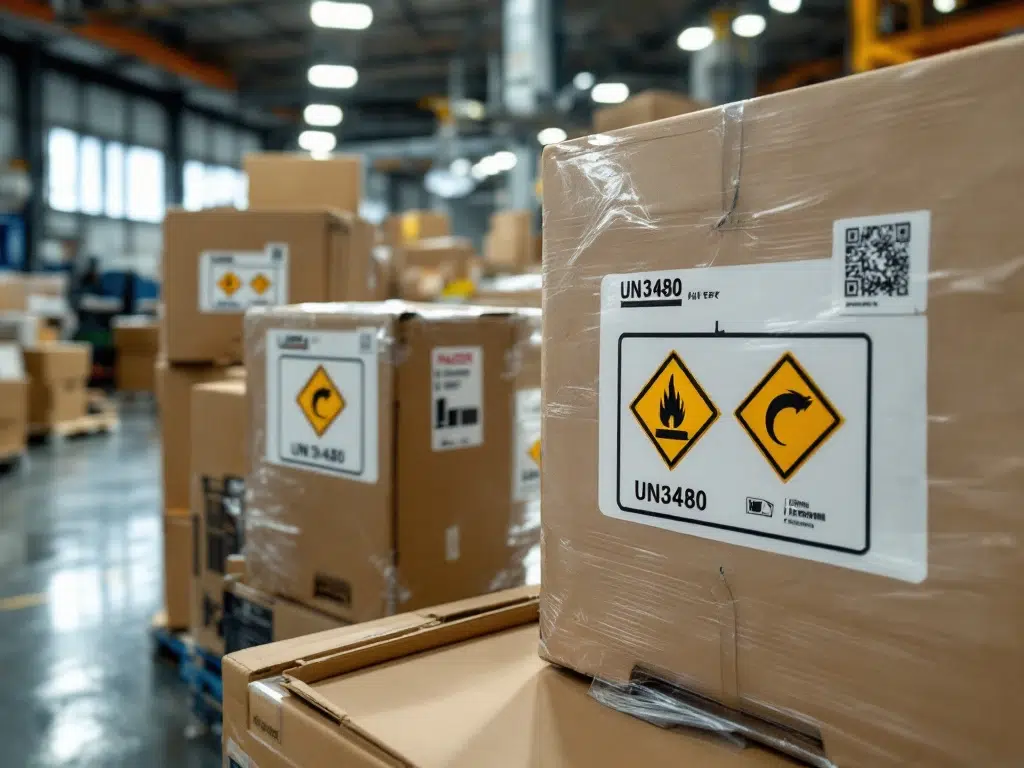
- Certified flight cases (UN, MIL-STAN standards): 6-8 weeks
These times exclude the design and engineering process, which can add another 1-2 weeks to the total lead time. Seasonal influences can also have an impact, especially during busy periods around major events or trade shows.
Which factors determine the production time of your custom flight case?
The design complexity has the greatest influence on production time. Simple rectangular flight cases are faster than cases with multiple levels, removable drawers, or complex foam layouts.
Material specifications play an important role. Standard plywood and aluminum profiles are immediately available, while special materials such as fire-retardant panels or corrosion-resistant hardware must first be ordered.
Dimensions also influence planning. Very large flight cases require more processing time and possibly customized transport solutions. Extra small cases with precision requirements take more time for accurate finishing.
Certification requirements significantly extend production time. UN certification for hazardous materials requires testing procedures and documentation. MIL-STAN standards for defense applications require specific materials and construction methods.
Special features such as integrated wheels, telescopic handles, electronic locks, or weather-resistant seals add extra processing steps to the production process.
What happens during the design and engineering process of custom flight cases?
The design process begins with a detailed analysis of your requirements. Engineering develops a configurator where length, width, and height are entered in cut dimensions, after which the system automatically generates all necessary drawings.
Modern digital tools such as PackAssist support the design process. This software automatically generates drawings of corner profiles, wood sets, and closing profiles that can go directly to production.
The process proceeds in these steps:
- Intake and specification analysis (1-2 days)
- Initial design and 3D visualization (2-3 days)
- Customer feedback and adjustments (3-5 days)
- Final technical drawings (1-2 days)
- Production instructions and material list (1 day)
During this process, you get multiple opportunities for feedback. Changes in an early stage cost less time than adjustments after production has already started.
The engineering team also ensures optimization of material use and production efficiency, which contributes to cost control and sustainability.
How can I shorten the delivery time of my custom flight case?
Early planning is the most important factor for shorter delivery times. Start the design process well before the desired delivery date and communicate clearly about your deadline.
Ensure complete and clear specifications from the beginning. The more precise your requirements, the faster the design process proceeds. Provide technical drawings, dimensions, and photos of the equipment to be packaged.
Choose standard materials and components where possible. This shortens both the design phase and production time, as these are immediately available.
Practical tips for faster delivery:
- Avoid changes after the design has been approved
- Choose proven material combinations
- Consider modular designs for future reorders
- Plan taking seasonal busy periods into account
Intensive collaboration with the engineering team pays off. Their experience helps in making design choices that save time without compromising quality or functionality.
Also consider a framework contract for multiple flight cases. This shortens the lead time of follow-up orders because specifications and processes are already established.
Key considerations for planning your custom flight case project
Realistic planning begins with understanding that custom packaging needs time for a quality result. Haste often leads to compromises that cause problems later.
Communication with your supplier is crucial. Share all relevant information about transport requirements, usage conditions, and any certification requirements. This prevents surprises during the design process.
Account for buffer time in your planning. Unforeseen circumstances such as material delays or change requests can occur. A buffer of 1-2 weeks provides peace of mind and flexibility.
Dutch flight case specialists support you in determining optimal production times for your specific situation. Their experience with similar projects helps in making realistic schedules.
Also think about future needs. A well-designed flight case can last for years and possibly serve as a basis for variants. This investment in time and quality pays back in reliable protection of your valuable equipment.
Industrial packaging solutions require expertise and experience. Choose a partner who communicates transparently about lead times and helps you make the right choices for your specific application.
Can I shorten the production time by paying a higher price?
With most suppliers, expedited delivery is possible for an additional fee, but this has limits. For very complex designs or certified flight cases, a minimum lead time remains necessary for quality assurance. Always discuss expedited options in advance with your supplier to set realistic expectations.
What happens if my equipment changes during the design process?
Changes in equipment specifications can significantly extend production time, especially if the design has already been approved. Communicate changes as early as possible and ask for a new schedule. Some adjustments can still be made during production, but this depends on the phase the project is in.
How do I know if my flight case needs UN certification?
UN certification is mandatory when transporting hazardous materials such as batteries, chemicals, or medical equipment. Check the UN classification of your equipment and discuss transport requirements with your logistics partner. Your supplier can advise on which certifications are needed for your specific application.
Can I track the progress of my flight case production?
Professional suppliers usually offer progress updates via email or an online portal. You receive notifications at important milestones such as design approval, production start, and quality control. Ask your supplier about their communication protocol and expected update frequency.
What are the consequences if I need my flight case later than planned?
A later delivery date can be advantageous for planning, but change this in a timely manner. Suppliers plan their production capacity in advance and last-minute changes can lead to delays. Some suppliers offer temporary storage if your flight case is ready earlier than needed.
How do I best prepare for the first conversation with a flight case supplier?
Gather technical drawings, photos, and exact dimensions of your equipment beforehand. Note transport requirements, usage conditions, and any certification requirements. Determine your budget and desired delivery date. The more complete your information, the more accurately the supplier can advise on design and planning.
Can I get a prototype or sample before full production starts?
For large orders or complex designs, some suppliers offer a prototype. This does extend the total lead time by 2-3 weeks. Prototypes are especially useful for serial production or when fit is critical. Discuss this option during the design process and account for additional costs.